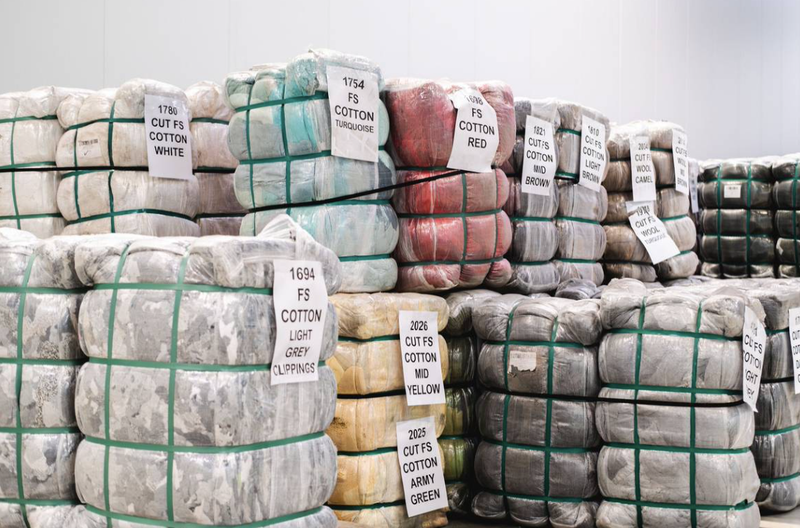
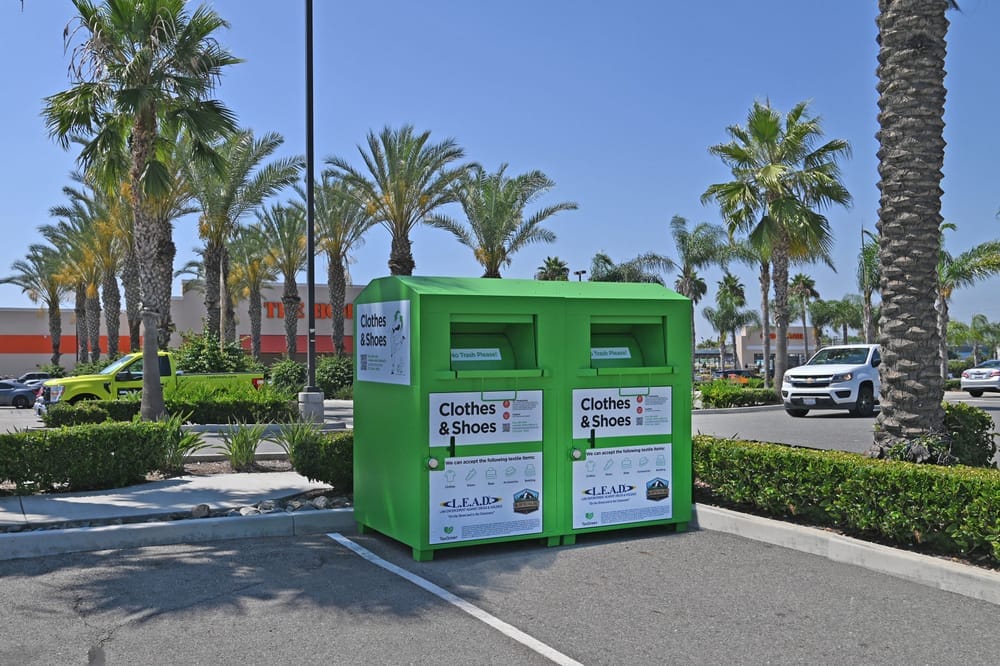
Every year, hundreds of thousands of tonnes of unwanted clothing begin a journey that takes them from charity shops and collection systems in the United States and Canada to sorting facilities in Pakistan, where they are given the opportunity for a second life.
Through a sophisticated network of grading, reuse and recycling businesses, Pakistan has become one of the most important hubs in the global circular textiles economy. But that system is now facing uncertainty as proposed changes to Export Processing Zone (EPZ) regulations threaten to remove a long-established mechanism that businesses say is essential to keeping recovered textiles in circulation.
“We import used textiles into Karachi’s Export Processing Zone, where they are sorted into more than 400 grades and distributed across Africa, the Far East, and South and Central America depending on the right market for each item,” said Waleed Saleem, SMART Member and Managing Director of Reclaimed Apparel (Pvt.) Ltd.
“We also produce industrial wiping cloths for the automotive and heavy-industry sectors across Australia, Europe and the Americas. This is a highly labour-intensive industry that creates large-scale employment for unskilled Pakistani workers, the majority of whom are women.”
The issue centres around Pakistan’s 80/20 EPZ framework, which allows businesses operating in Export Processing Zones to export the majority of their production while selling up to 20% domestically, subject to full applicable duties, taxes and regulatory requirements.
For textile recovery businesses, this flexibility is not a commercial advantage but a practical necessity. Unlike new textile manufacturing, used clothing arrives in mixed conditions and qualities. While some items can be exported for resale, others may be better suited to domestic reuse, repair, fibre recovery or recycling.
“80% of our production is exported, while up to 20% is sold domestically after payment of exactly the same duties and taxes charged on imports entering Pakistan from other countries,” said Saleem. “There is therefore no fiscal advantage whatsoever. Domestic access is essential only because certain grades do not have a viable export market and are specifically suited to demand within Pakistan.”
The proposed amendments are being considered in the context of Pakistan’s commitments under its International Monetary Fund (IMF) programme. A Ministry of Industries and Production communication dated 17 June 2026 states that amendments have been drafted to prohibit sales from EPZs into the domestic tariff area, with implementation contemplated following Cabinet approval by September 2026.
Industry stakeholders warn that removing the domestic sales channel could leave recycling facilities unable to process certain categories of recovered material, threatening established businesses and the wider supply chain connected to them.
“The global textile recycling industry depends on transparent, predictable and evidence-based policy,” said Steven Bethell, Board Member at SMART. “Pakistan’s proposed changes risk removing a long-established, duty-paying operating mechanism on which legitimate recycling businesses have invested and built their operations. Any reform process should provide meaningful protection and a workable transition for existing investors.”
How Pakistan became a global textile recovery hub
Pakistan’s role in textile circularity is built around one of the most important, but often overlooked, parts of the fashion system: sorting.
When clothing is donated through charity collections, only a portion can typically be resold through local charity shops. The remaining garments enter global secondary markets, where specialist operators assess each item and determine its highest-value next use.
This grading process is what allows circular systems to function. A winter coat, a cotton shirt, damaged denim or worn-out garments may all have different destinations depending on quality, material and market demand.
“Graders like the ones in the EPZ purchase the unsold clothing and then sort and grade them by item type, quality, material type, size and style,” said Mustafa Sattar, SMART Member and CEO of Retex Global Pvt Ltd.
“The grading and sorting process is central as it ensures that customers get exactly the items that sell in their respective markets. Without this process, these customers and markets would receive items they can’t sell. As a result, these items would have to be discarded.”
Pakistan’s Export Processing Zones have become a crucial part of this global network, with operators importing, sorting, recycling and re-exporting used clothing and textile materials to markets throughout Africa, Asia and beyond.
The sector supports significant value recovery from materials that might otherwise be discarded, while also contributing to Pakistan’s economy through exports, employment and investment.
Companies operating within the EPZ export approximately $1 billion annually and generate additional economic activity through taxation and services. The sector employs more than 50,000 workers and supports an estimated 250,000 associated livelihoods through transport, logistics, packaging and other local industries.
More than half of direct employees are women, making the sector an important source of employment in a country where job opportunities remain limited for many communities.
“The sector provides labour-intensive employment to more than 50,000 direct workers, many of them women and unskilled employees with limited alternative opportunities, while supporting an estimated 250,000 indirect livelihoods,” said Saleem. “It also gives lower-income Pakistani families access to affordable used clothing.”
Why every grade of textile matters
One of the biggest challenges in textile recycling is that not every recovered item has the same value or destination. A successful circular system depends on having different pathways available for different materials.
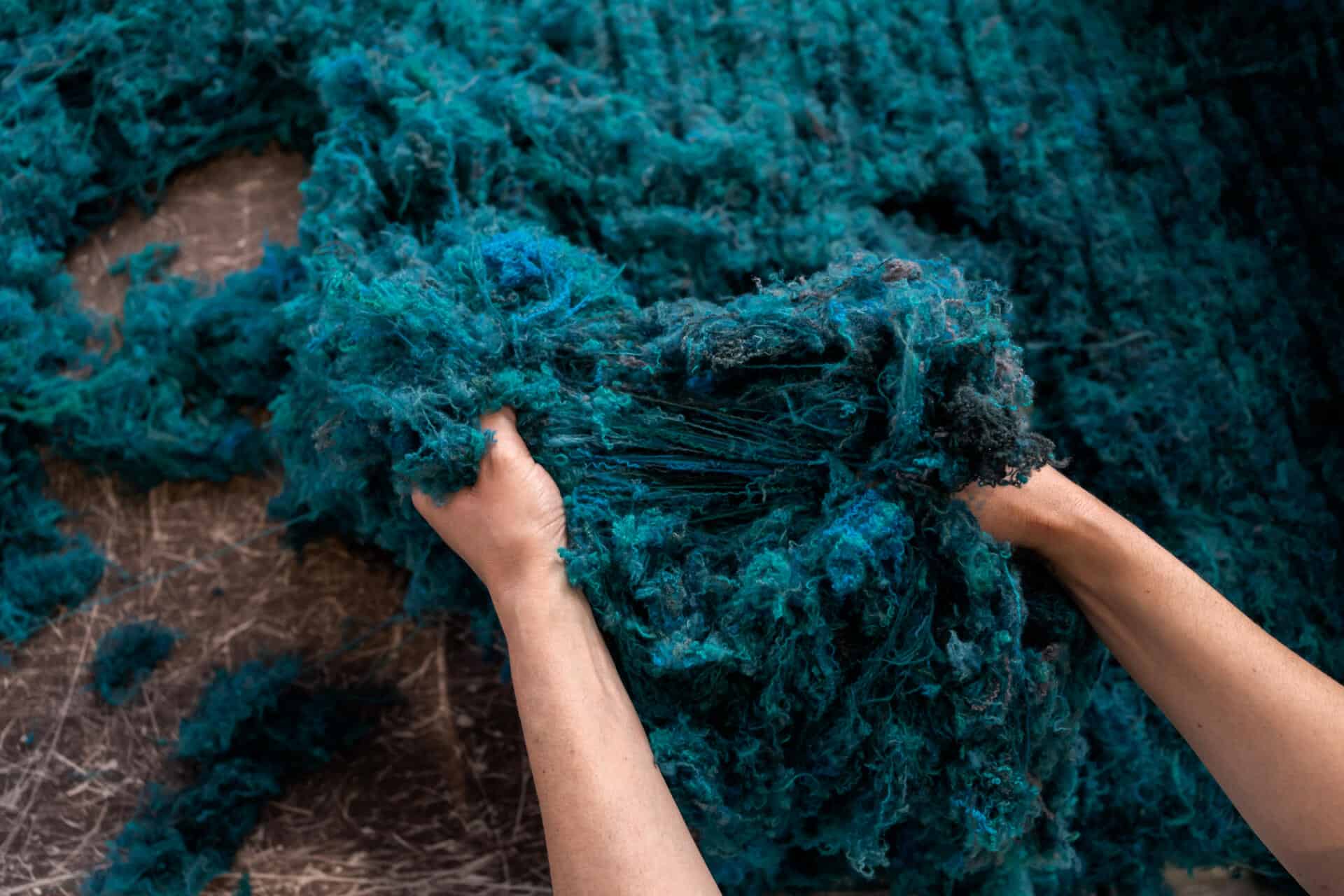
Some garments can be resold internationally, while others may be transformed into industrial wiping cloths, recycled fibres or new textile materials.
“Certain grades — such as heavily worn garments, recycling-grade material and items suited specifically to Pakistani demand — are not commercially viable to export because freight and handling costs exceed their value,” said Saleem. “Access to the domestic market allows these grades to be reused, repaired, or processed for fibre recovery.”
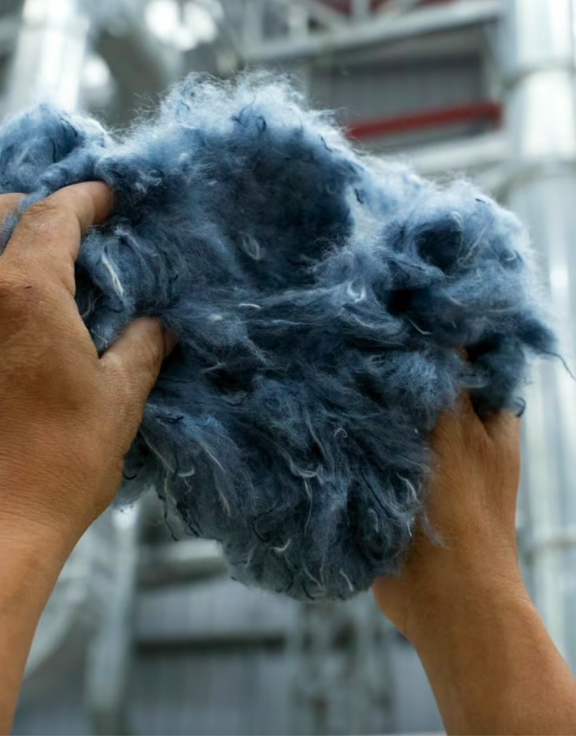
Denim is one example of where domestic processing can support wider circularity. Pakistani textile manufacturers use recovered denim fibre as recycled content in new fabrics, helping meet growing demand from international brands for lower-impact materials.
For Sattar, maintaining flexibility within the system is essential. “Graders are incentivised to find a home for every piece of clothing,” he said. “Simply forcing items onto customers which they cannot absorb is not sustainable. What is beautiful about the system is that not only do we all contribute in terms of saving the environment, but we all make money along the way as well.”
Global consequences beyond Pakistan
The potential impact of changes to Pakistan’s EPZ framework extends far beyond the country’s borders.
More than 1.1 billion pounds of used clothing from the United States and Canada — approximately 500,000 metric tonnes annually — are estimated to be exported to Pakistan for sorting, reuse and recycling.
Much of this material originates from charitable collection systems, including organisations such as Goodwill and The Salvation Army. Revenue generated through textile recovery helps support employment, training, rehabilitation and community programmes.
If Pakistan’s recycling capacity is reduced, industry stakeholders warn that charities, municipalities and collectors could face increased costs associated with storing, transporting and managing unwanted textiles.
“Pakistan imports 1 billion lbs of clothing every year just from the US alone,” said Sattar. “As grading facilities shut in Pakistan, the demand for raw material would collapse. This would lead to much lower prices, which effectively means lower revenues for charities in the West.”
He added that the consequences would extend throughout the wider system. “The charities will likely have to get more warehousing space initially, which means higher costs. The product would eventually find its way to landfills in the developed world. Ultimately, this leads to layoffs in the non-profit space and cutting back on programmes they run for those in need.”
Balancing regulation and circular growth
SMART — the Secondary Materials and Recycled Textiles Association — has been working with members in Pakistan to understand the implications of the proposed EPZ changes and their potential impact on international textile reuse and recycling operations.
Founded in 1932, SMART represents businesses involved in the collection, processing, grading, reuse and recycling of used textiles and secondary materials. The organisation works with industry stakeholders and policymakers internationally to support resource conservation, responsible reuse and the development of circular supply chains.
For stakeholders within the sector, the discussion reflects a wider challenge facing circular economies worldwide: how to create effective regulation without unintentionally limiting the systems needed to reduce waste.
“Used textiles are valuable secondary raw materials that create employment, extend product lifecycles and keep clothing out of landfill,” said Bethell. “For reuse and recycling to work at scale, there must be viable outlets for every grade of recovered material.”
Despite the uncertainty, industry leaders believe Pakistan has significant potential to expand its role within the circular textiles economy. The country already has a skilled textile workforce, established infrastructure and access to large volumes of recovered materials.
“The opportunities are endless,” said Sattar. “Pakistan not only has the raw material, but also the cheap labour which this space requires. Given that Pakistan is a major new textile manufacturer, we also have the required skill set.”
As governments and brands worldwide look for ways to reduce textile waste and lower emissions, Pakistan’s textile recovery sector demonstrates the importance of building circular systems that work in practice.
“The solution with regards to textiles already exists,” said Sattar. “It is by far the most efficient process available to humanity. The infrastructure already exists — the only thing required to ramp up volumes is supportive policies.”
The coming months will determine how Pakistan balances regulatory changes with the continued growth of its circular textile economy. For the global secondary materials sector, the outcome could have implications far beyond the country’s borders — influencing how millions of garments are reused, recycled and kept out of waste streams worldwide.