
For years, sustainability was one of fashion’s favourite promises. Brands announced net-zero targets, pledged to reduce emissions and presented increasingly ambitious plans to make their businesses more circular. But in 2026, the industry’s enthusiasm for voluntary sustainability commitments appears to be waning.
A Financial Times report published this week has highlighted how fashion companies are scaling back or abandoning some of their environmental ambitions as economic pressures and a renewed focus on profitability reshape the industry. The shift raises an uncomfortable question: was fashion ever prepared to make sustainability a fundamental part of its business model, or was it simply easier to promise change when the economic climate allowed it?
The retreat comes after years of growing corporate climate commitments. Fashion companies have faced increasing pressure to reduce emissions across complex global supply chains, where the majority of environmental impact occurs outside their own operations. Yet achieving meaningful reductions can require investment in materials, manufacturing, logistics and product development — areas where sustainability can come with a significant cost.
That tension is becoming harder to ignore as the industry prioritises growth and profitability. Voluntary targets can be quietly revised or dropped, but the environmental impact of producing and disposing of clothing does not disappear with them.

At the same time, regulation is beginning to change the rules of the game. In the European Union, sustainability is moving from something brands can voluntarily promote to something they increasingly have to account for.
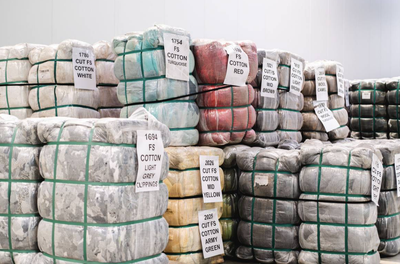
On 19 July 2026, the EU’s ban on the destruction of unsold apparel, clothing accessories and footwear came into effect for large enterprises under the Ecodesign for Sustainable Products Regulation (ESPR). Medium-sized businesses will be covered from 2030. The regulation is intended to prevent usable products from being destroyed and encourage alternatives such as resale, donation and preparation for reuse.
The EU’s wider strategy goes further. Its textile policy aims to make products more durable, repairable and recyclable, while introducing Digital Product Passports and Extended Producer Responsibility schemes for textiles. The latter are designed to make producers financially responsible for aspects of their products’ end-of-life, creating a stronger incentive to consider what happens to garments after they leave the shop.
This creates an interesting divide within the industry. While some voluntary sustainability commitments are losing momentum, governments are increasingly making environmental responsibility a legal requirement.
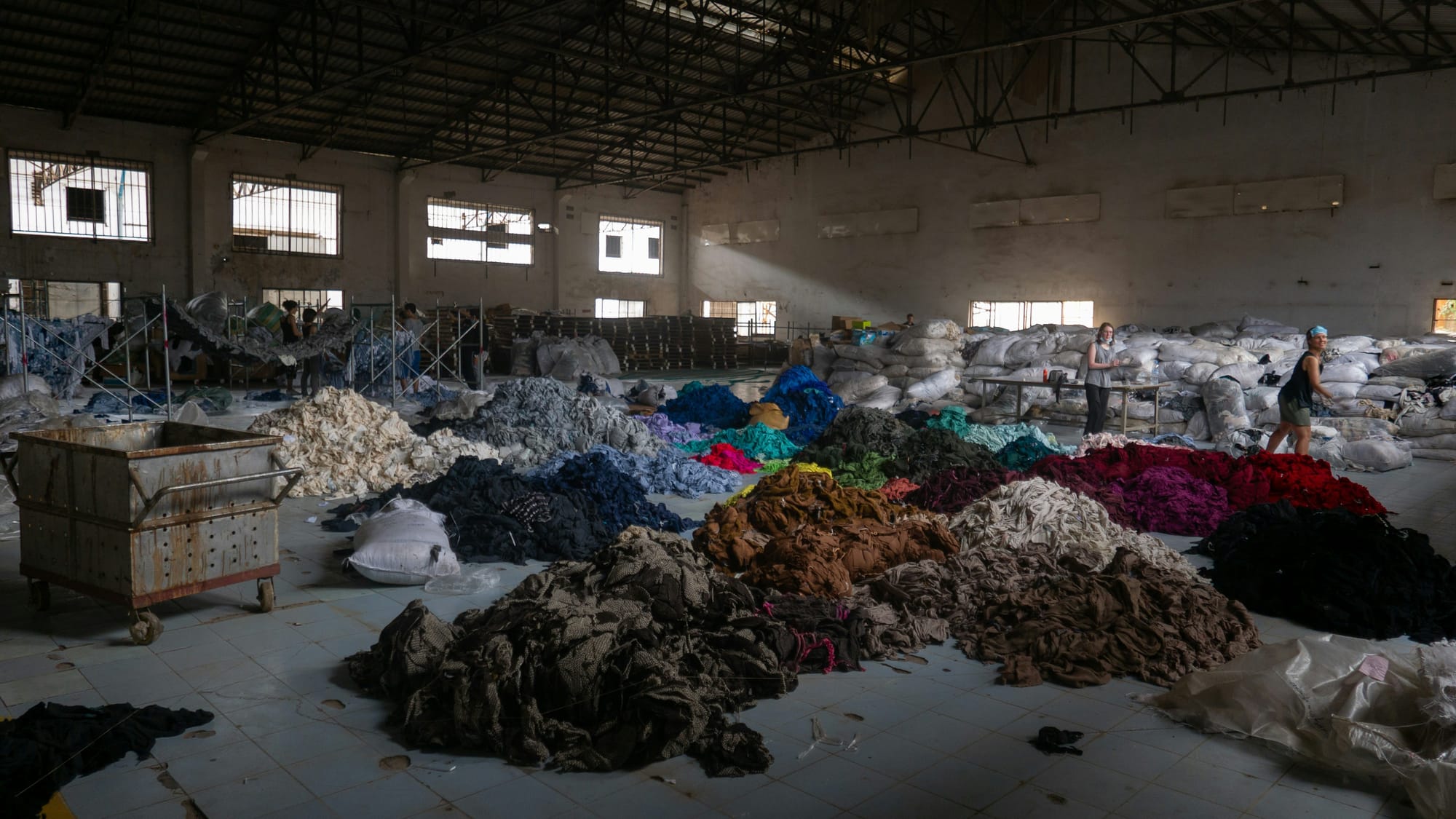
It also exposes one of fashion’s fundamental contradictions. Sustainability has often been treated as an additional feature of a product: organic cotton, recycled fibres, repair services or a lower-impact collection. But genuine circularity requires changes to the way clothes are designed, produced, sold and eventually dealt with when they are no longer wanted.
That is considerably more difficult than adding a sustainability label to a collection.
The recent shift does not necessarily mean that sustainability is disappearing from fashion. In some ways, it could mark the end of an era in which progress depended primarily on brands voluntarily setting their own targets. With regulation becoming more influential, sustainability may increasingly be determined not by which companies make the biggest promises, but by the rules they are required to follow.
For fashion, that could ultimately be a more meaningful test. If sustainability only works when it is commercially convenient, it remains vulnerable to the next downturn. If environmental responsibility becomes embedded in the rules governing how fashion operates, however, abandoning it becomes considerably harder.
The question facing the industry is therefore no longer simply whether fashion wants to be sustainable. It is whether sustainability can survive when profitability comes first — and whether regulation will be strong enough to ensure that it does.