Fashion has always thrived on contradiction. One of the season's most talked-about accessory may be its most paradoxical yet: a shoe that appears to remove much of the shoe itself.
Chanel's "shoeless shoe" has quickly become one of the year's defining fashion talking points. Depending on who you ask, it is either a clever commentary on minimalism, an example of luxury excess, or a design concept that has escaped the runway and entered public discourse. Predictably, the internet has had plenty to say. Yet beneath the jokes and memes lies a more interesting question: why are some of the world's most influential fashion houses becoming increasingly interested in designs that expose, celebrate or mimic the natural shape of the foot?
For Galahad Clark, Founder of Vivobarefoot, the answer lies not in fashion's desire to shock, but in a broader cultural shift that has been gathering momentum for years.
"My first reaction was curiosity rather than surprise," says Clark. "For years we've been saying that footwear should interfere less with the natural function of the human foot. When one of the world's most influential luxury houses starts exploring that territory, it suggests that the broader cultural conversation is shifting. Whether consciously or not, perhaps they're responding to a growing interest in sensory connection and a desire for products that feel less restrictive."
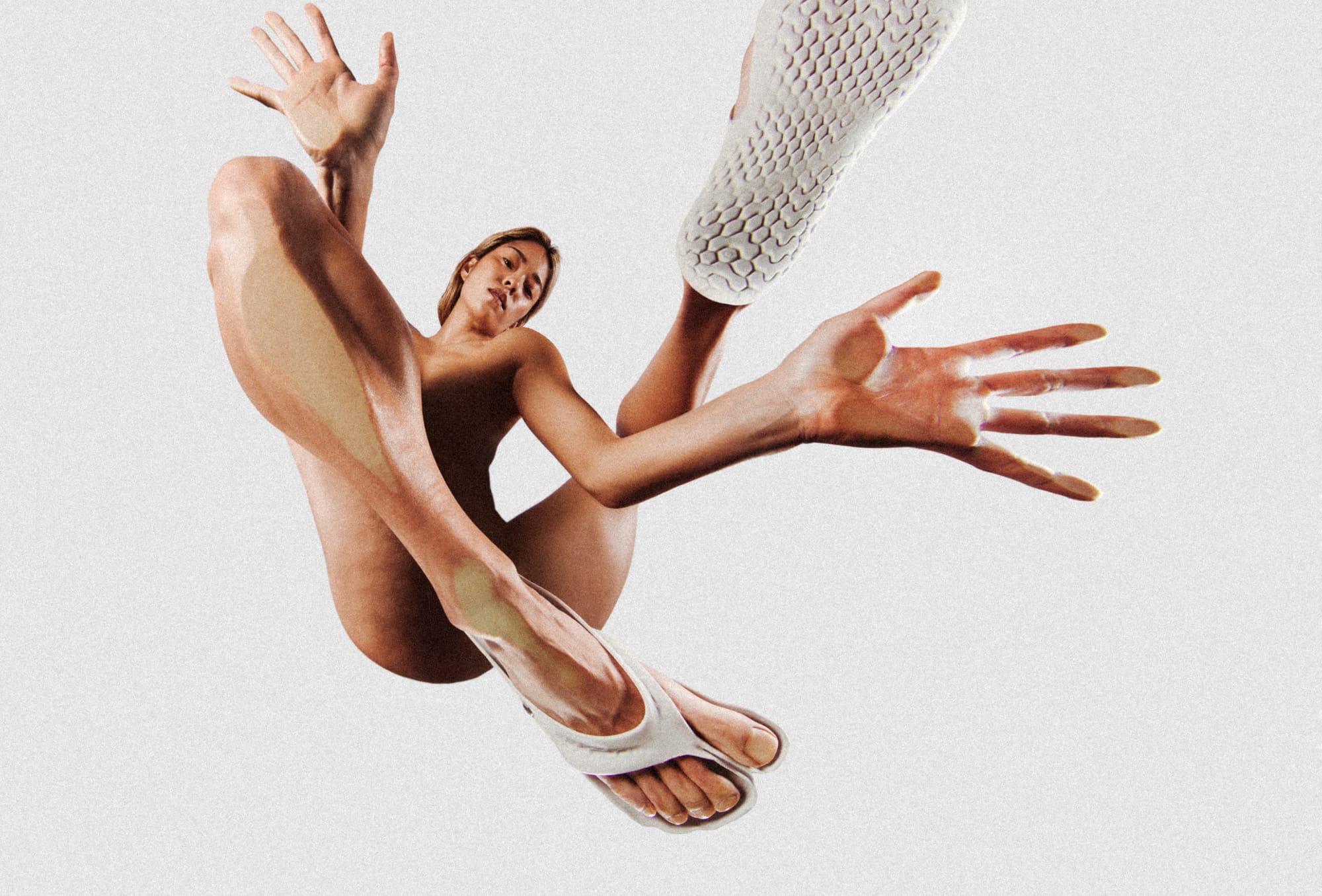
Clark's perspective is particularly noteworthy because Vivobarefoot has spent more than two decades challenging many of the assumptions that have defined modern footwear. While much of the industry has focused on cushioning, structure and control, the barefoot movement has advocated for footwear that allows the foot to move and function as naturally as possible. In that context, Chanel's latest design can be viewed as part of a much wider conversation about the relationship between the body, movement and design.
According to Clark, luxury brands are increasingly paying attention because consumer priorities are changing. Conversations that were once confined to specialist wellness communities are becoming mainstream, influencing everything from food and fitness to architecture and product design.
"People are increasingly questioning many of the assumptions that defined the last century: ultra-cushioned shoes, highly processed food, excessive screen time and disconnection from nature," he explains. "Health and wellbeing are moving from niche interests into mainstream culture."
Luxury fashion has always been adept at identifying emerging cultural currents. As interest grows in longevity, recovery, human performance and biomimicry, the foot has unexpectedly become part of the conversation.
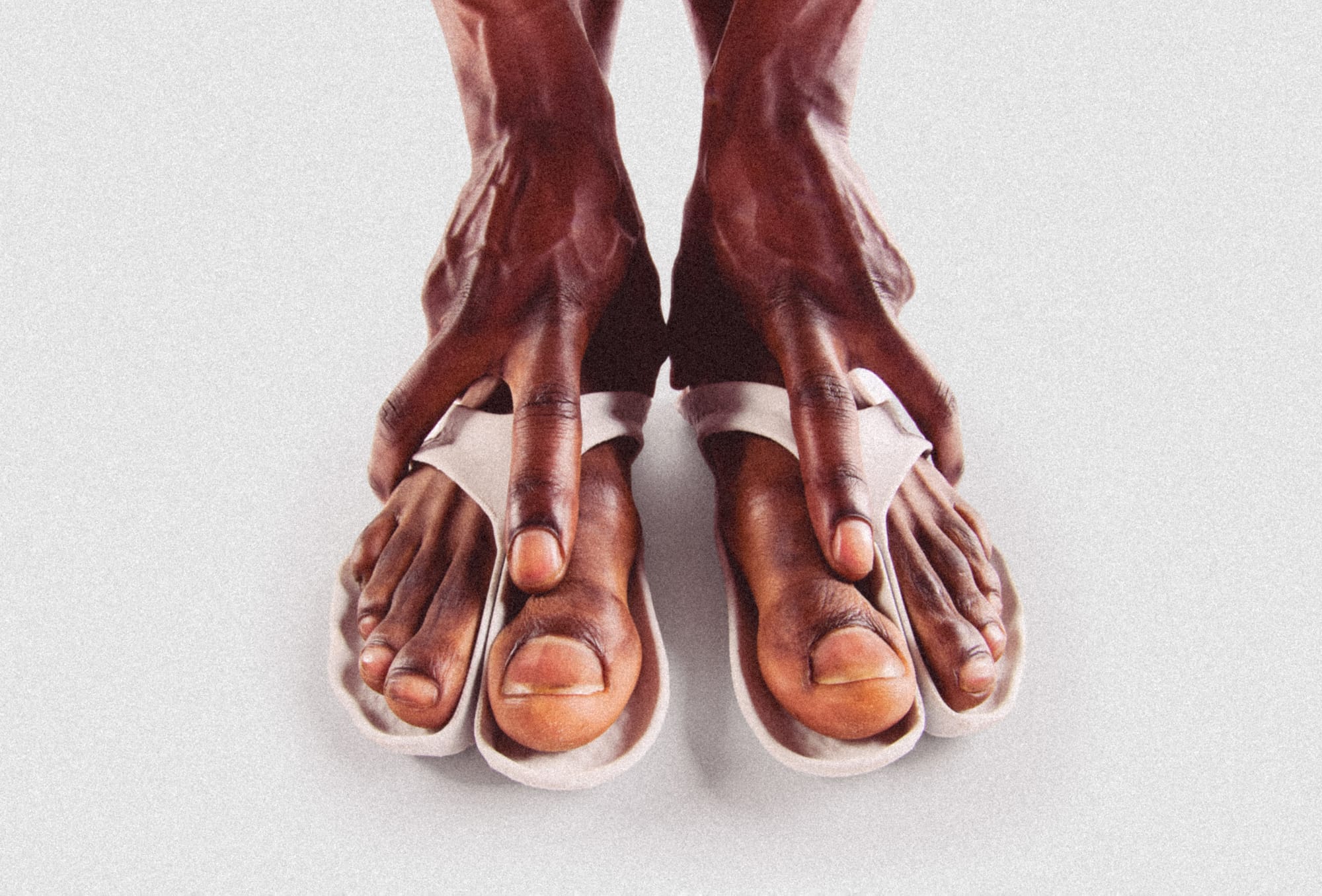
"Luxury brands are always attentive to cultural shifts," Clark says. "They can see growing interest in longevity, movement, recovery, biomimicry and human performance. The foot sits at the intersection of all of those conversations."
However, while fashion may be embracing the visual language of barefoot movement, Clark believes there remains a significant distinction between barefoot-inspired aesthetics and footwear that genuinely supports natural foot function. The growing popularity of minimalist silhouettes does not necessarily mean the industry has embraced the principles that underpin barefoot design.
"It's probably a mixture of both," Clark says when asked whether this moment represents genuine innovation or simply a fashion statement. "Fashion often acts as an early signal of cultural change. Designers have permission to explore ideas before they become fully realised products. Some interpretations may remain largely aesthetic, while others could become stepping stones toward fundamentally different footwear design."
For Clark, the real measure of progress has little to do with appearances. Instead, it comes down to whether a product allows the foot to do what it evolved to do. "The important question isn't how a shoe looks, but whether it allows the foot to function naturally, especially if the product is worn for a prolonged period of time, or on a daily basis." That distinction lies at the heart of the current debate. While many brands are experimenting with shoes that appear more minimal, true barefoot footwear follows a set of functional principles designed to preserve natural movement and sensory connection.
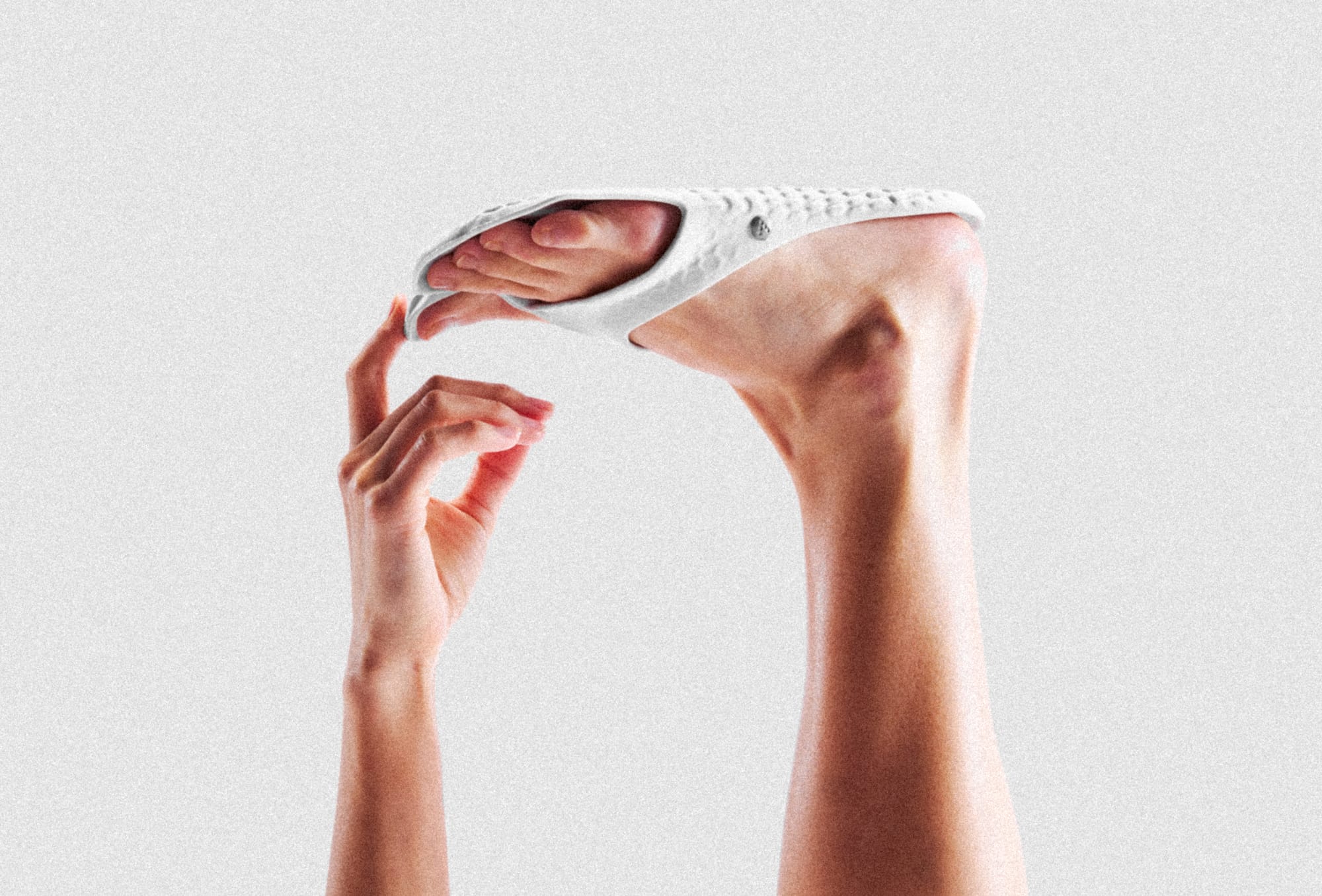
"A barefoot aesthetic is visual. A barefoot shoe is functional," Clark explains. "True barefoot performance requires specific design principles: a wide toe box that allows the toes to spread naturally, a thin sole that enables sensory feedback, flexibility that allows natural movement, and minimal interference with the body's biomechanics."
The difference may sound subtle, but it is significant. A shoe can appear stripped back while still restricting movement, just as a more conventional-looking shoe can allow the foot to move freely. For Clark, the question is always what happens once the shoe is actually worn. "The test is always what happens to the foot inside the shoe."
This growing awareness of movement and biomechanics is also being fuelled by changing attitudes towards health and wellbeing. Increasingly, consumers are viewing health as something shaped by everyday habits rather than isolated moments of exercise or medical intervention. As a result, products that were once considered purely functional are being reassessed through a wellbeing lens.
"A significant amount" of the shift towards barefoot-inspired design is being driven by changing consumer attitudes, Clark says. "People increasingly see health as something holistic rather than something that happens only in a gym or doctor's office. They understand that daily habits matter."
Given that most people spend a significant portion of their lives wearing shoes, it is perhaps unsurprising that footwear is becoming part of this broader conversation. "People are asking a simple question: if movement is fundamental to human health, what role should footwear play in supporting it?"
Yet despite the growing interest, Clark believes the luxury industry's current interpretations remain largely conceptual. The challenge is not simply to remove material or expose more of the foot. The challenge is to create footwear that provides protection while preserving the foot's natural intelligence and sensory capabilities.
"Most are still exploring the idea conceptually rather than fully solving it," he says. "'Protection without disconnection' is a difficult design challenge. It requires balancing durability, comfort, protection, sensory feedback and natural biomechanics. That's not something that can be achieved through aesthetics alone."
While he welcomes experimentation, Clark argues that there is still considerable work to be done before the principles of barefoot movement are fully realised within mainstream fashion. "It's encouraging to see experimentation, but there is still a significant difference between referencing barefoot concepts and fully embracing the principles that underpin natural movement."
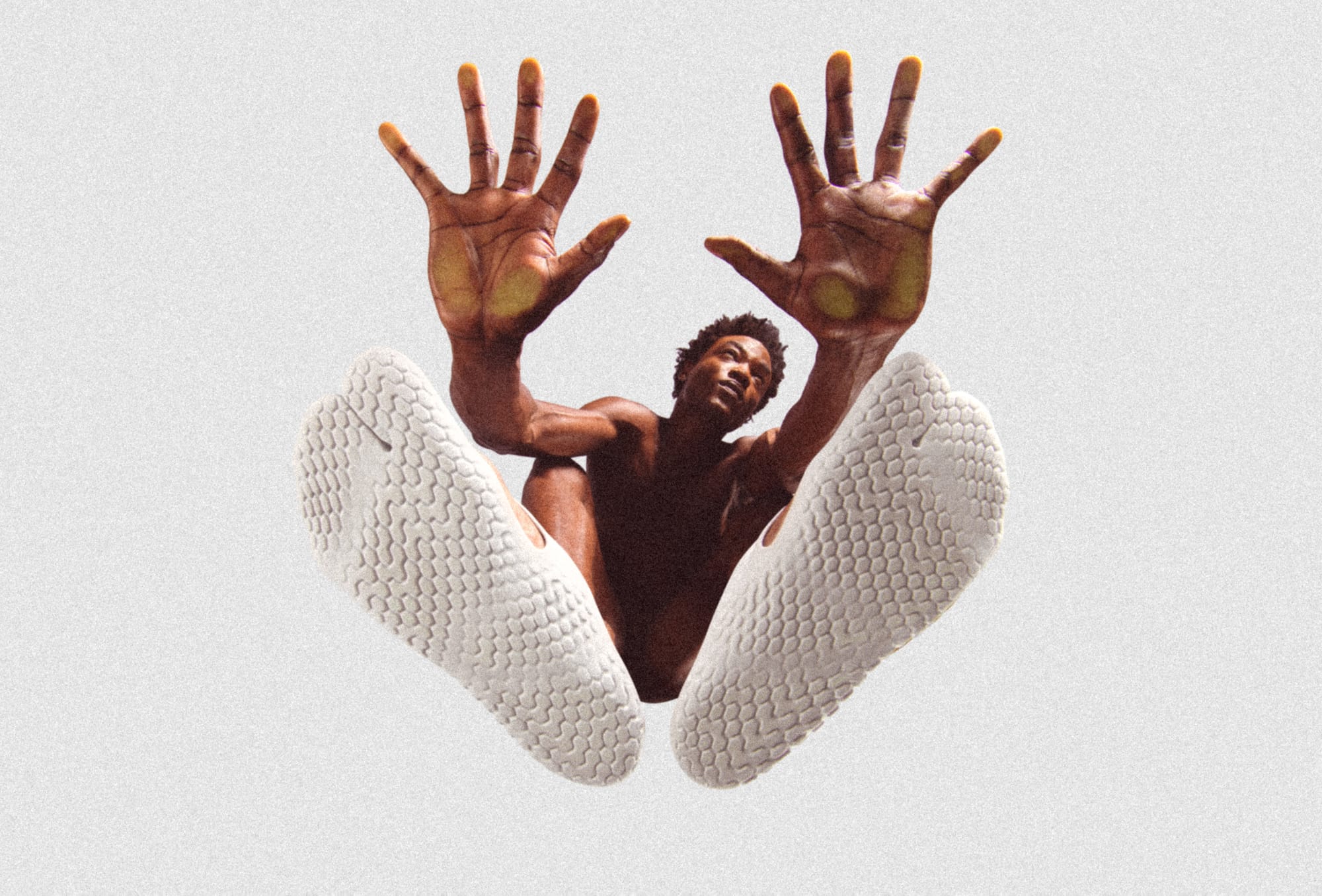
Whether Chanel's "shoeless shoe" ultimately proves to be a fleeting fashion moment or a sign of something more profound remains to be seen. Clark, however, believes it forms part of a much larger shift that extends far beyond seasonal trends.
"I believe it's part of a much larger shift," he says. "The modern shoe is a relatively recent invention in human history. The human foot evolved over millions of years to move, adapt and sense the world directly. As our understanding of human health advances, it seems inevitable that footwear design will increasingly be informed by biology rather than purely by fashion or convention."
That future may also be far more personalised than the standardised footwear model that has dominated the industry for decades. Advances in digital manufacturing and foot-scanning technology are opening new possibilities for designing around individual anatomy rather than forcing individuals to adapt to standardised shapes.
"The future is likely to be far more personalised. Every foot is unique," Clark explains. "Rather than forcing millions of people into standardised shapes, technology now allows us to design around the individual." It is this thinking that underpins Vivobiome, Vivobarefoot's personalised footwear initiative, which aims to create products that work with human biology rather than against it.
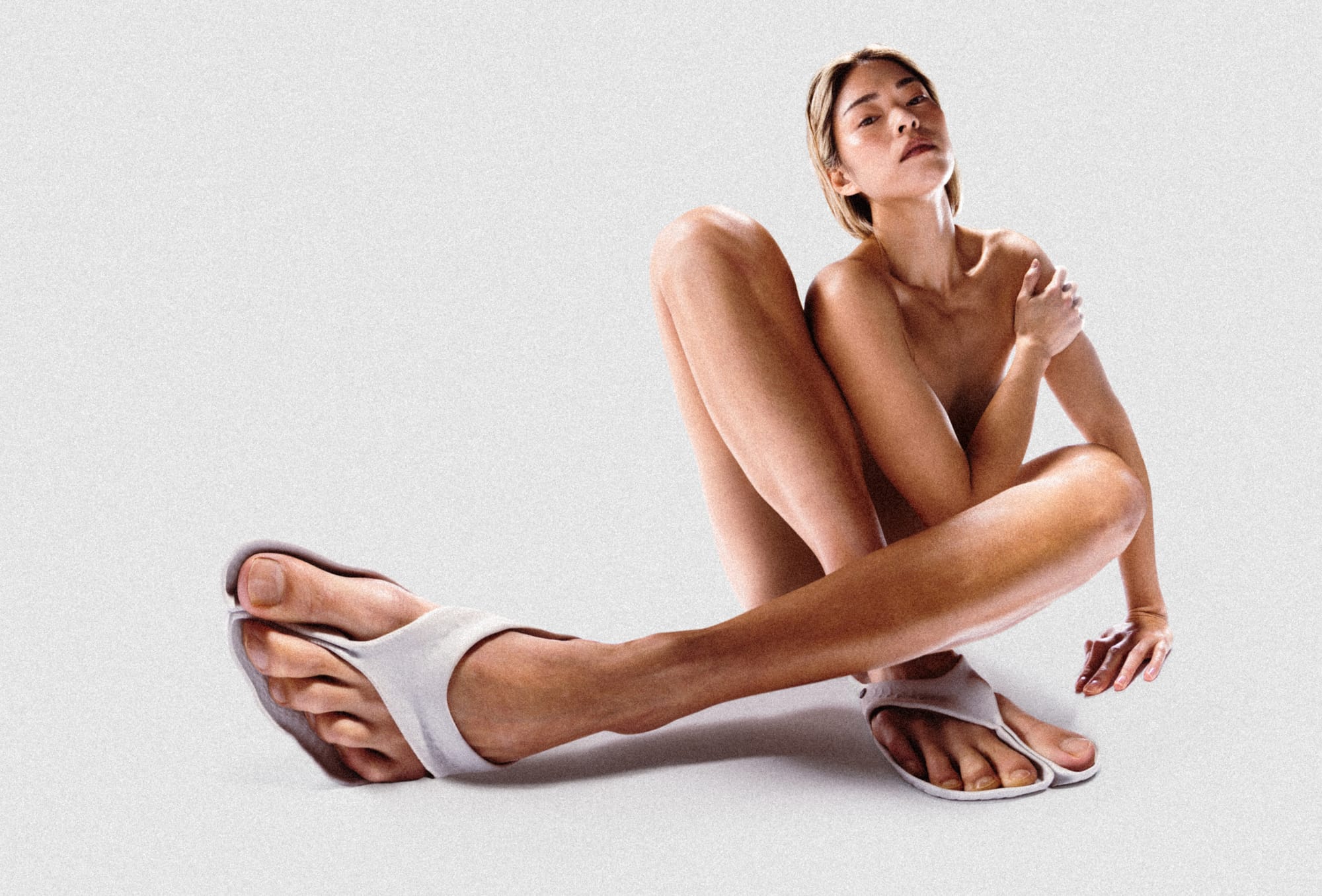
"We believe the ultimate shoe should feel almost invisible, providing only the protection necessary while preserving the sensory and biomechanical intelligence of the foot," says Clark. "Ultimately, the goal isn't to make better shoes. It's to help people rediscover the remarkable capabilities they already possess, from the ground up."
If Chanel's "shoeless shoe" has achieved anything, it is perhaps to bring a niche conversation into the mainstream. Fashion may have been drawn to the aesthetics of barefoot movement, but the wider discussion now encompasses health, biomechanics, personalisation and our relationship with the natural world. In that sense, the real story is not about a shoe that appears to be disappearing. It is about a growing desire for footwear that finally stops getting in the way.