
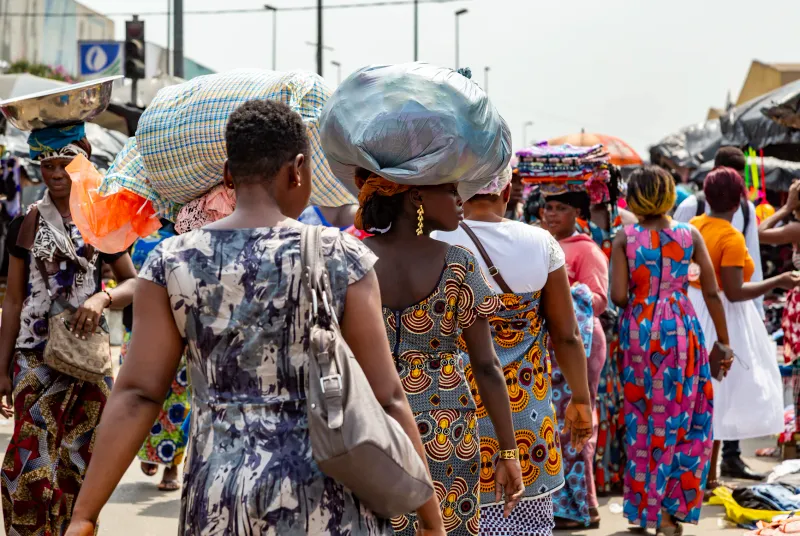
A major study supported by the United Nations Conference on Trade and Development (UNCTAD) is challenging one of the most persistent claims in the global textile sustainability debate: that used clothing exports to Africa are largely made up of waste.
Produced through the Sustainable Manufacturing and Environmental Pollution (SMEP) programme in partnership with UNCTAD, the research analysed more than 244,500 garments imported into Uganda and Tanzania. Researchers found that approximately 96% of the clothing examined was suitable for reuse and resale, while only 1.1% to 1.3% qualified as textile waste.
The findings arrive as governments around the world consider new regulations affecting textile exports, Extended Producer Responsibility (EPR) schemes and waste shipment rules. For many in the reuse sector, the report provides important evidence at a time when policymakers are under increasing pressure to tackle textile waste and fashion's environmental footprint.
For Jessica Franken, Head of Government Affairs at SMART (Secondary Materials and Recycled Textiles Association), the study represents a significant moment for the second-hand textiles industry.
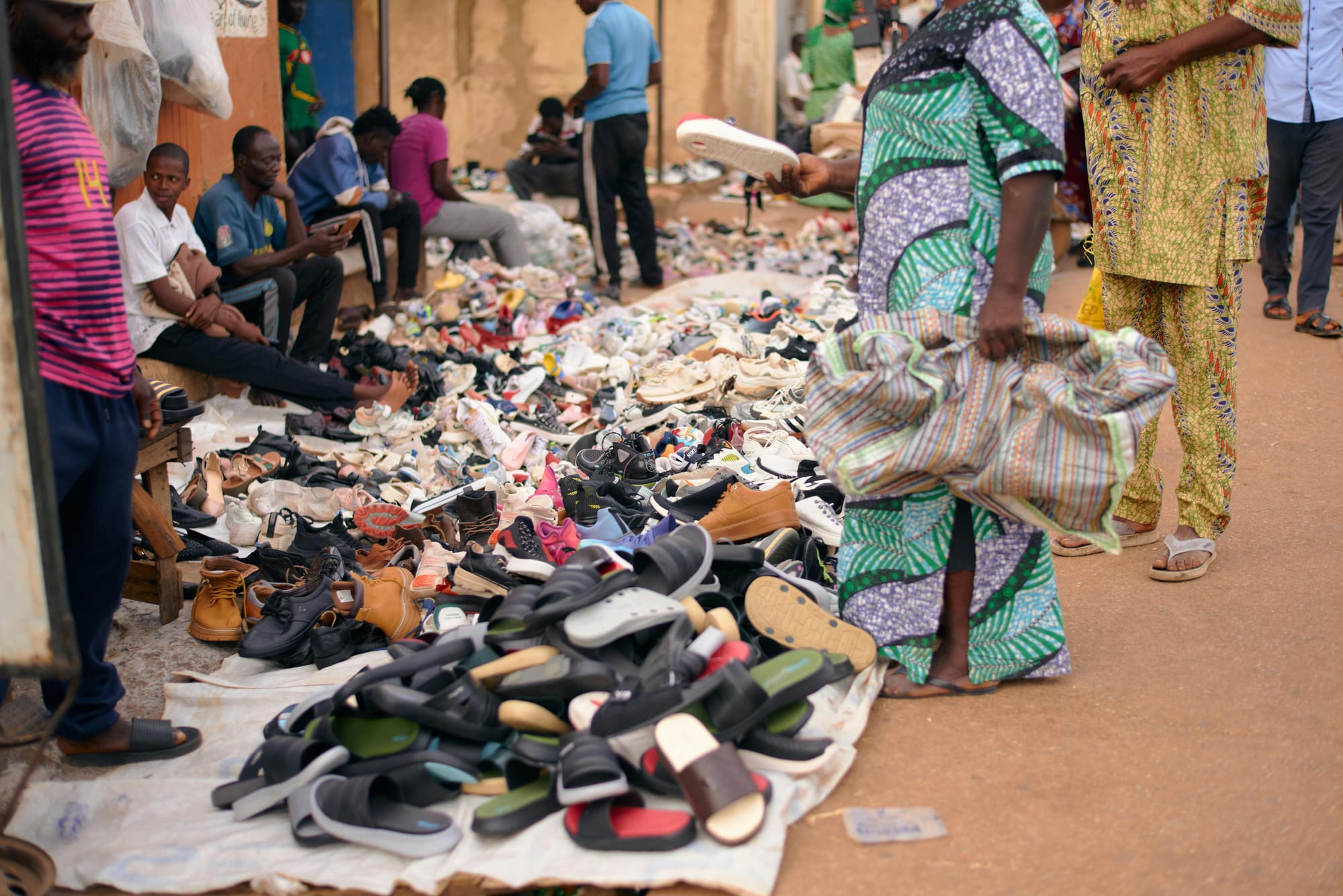
"The UNCTAD/SMEP study represents a significant moment for the global second-hand textiles sector because it provides one of the most comprehensive, empirical examinations of imported second-hand clothing conducted to date," says Franken. "Researchers analysed more than 244,500 garments across major markets in Uganda and Tanzania and found that approximately 96% of imported second-hand clothing was suitable for reuse and resale, while only 1.1–1.3% qualified as textile waste."
Those figures challenge a narrative that has become increasingly influential in discussions around textile waste and international trade. Critics of the second-hand clothing trade have long argued that African nations are being used as destinations for unwanted garments from wealthier countries. However, the study suggests the reality is considerably more nuanced.
"For years, the narrative that Africa is simply a dumping ground for textile waste has been repeated widely, often without robust empirical evidence examining what is actually arriving in importing countries," says Franken. "This research is significant because it moves beyond assumptions and analyses the contents of 244,500 garments across major markets in Uganda and Tanzania."
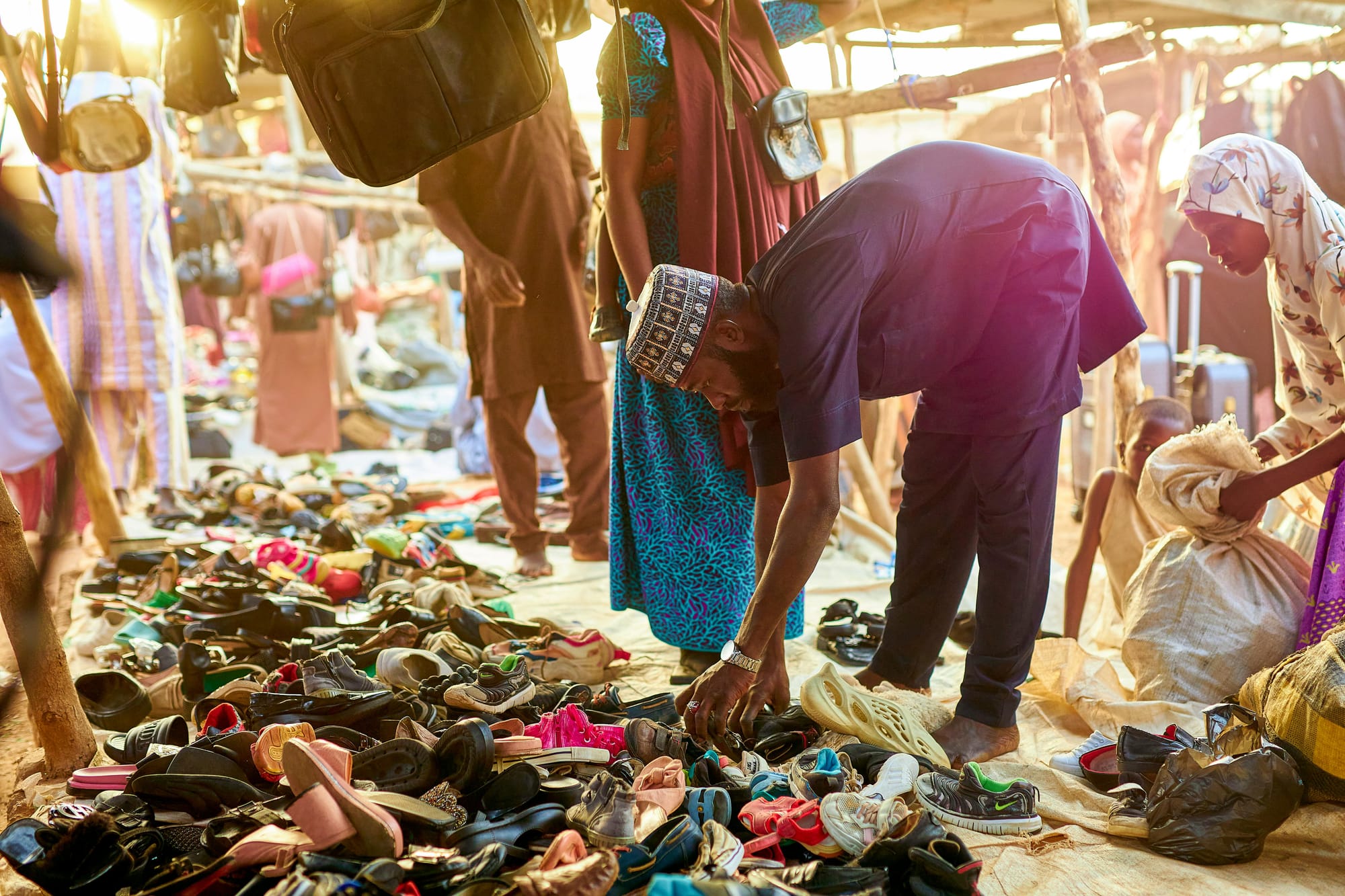
According to the report, imported second-hand clothing continues to provide affordable apparel for millions of consumers while supporting extensive local repair, resale and reuse economies. Rather than entering waste streams immediately, the overwhelming majority of garments retain value and continue their lifecycle through established circular systems.
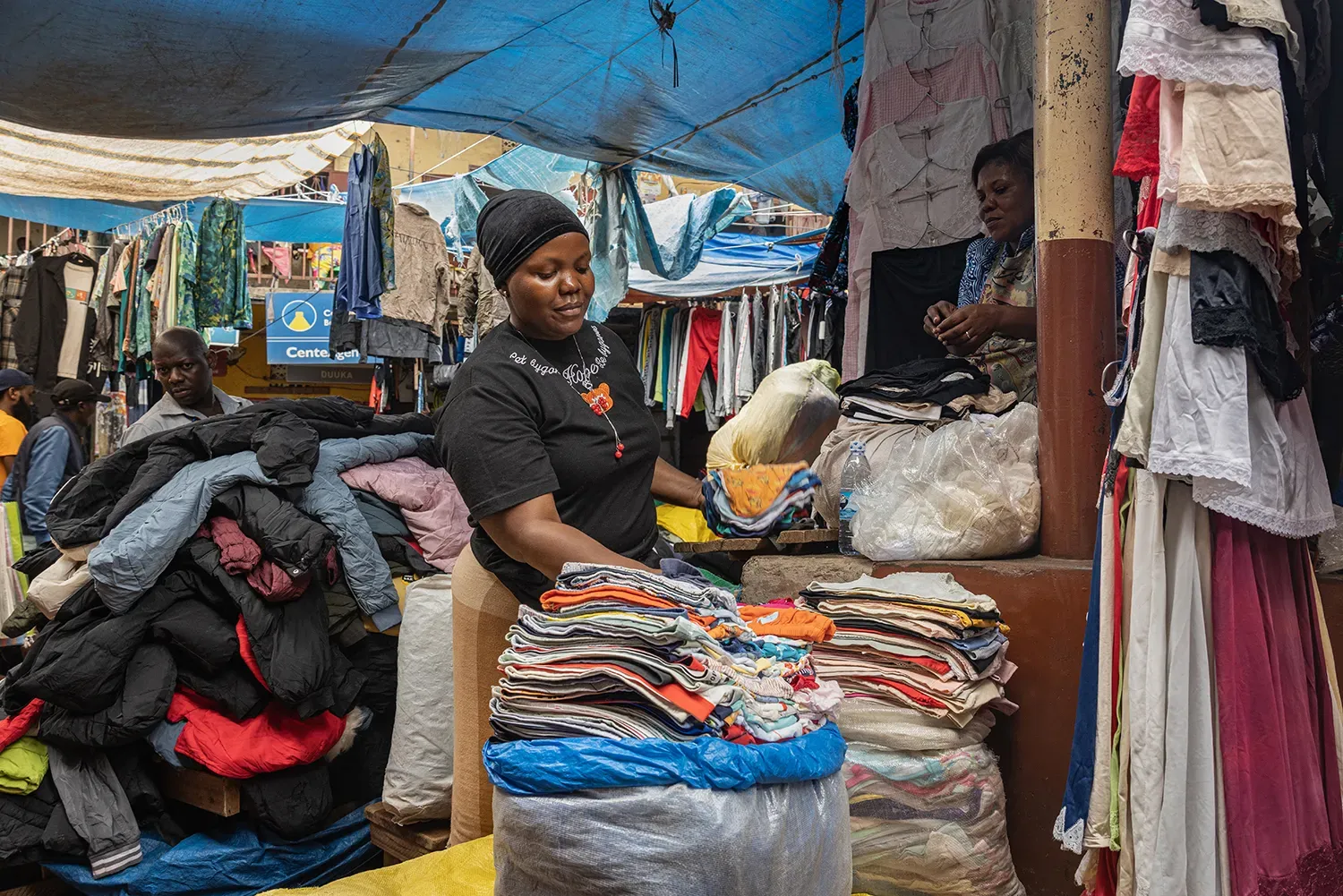
For Franken, that distinction is critical. "Distinguishing between textile waste and reusable clothing is critical because they require fundamentally different policy approaches," she says. "Reusable second-hand clothing is part of a circular economy system that extends garment lifespans, supports livelihoods and provides affordable clothing access. Textile waste, by contrast, requires appropriate waste management solutions."
The distinction may seem straightforward, but it has significant implications for future regulation. As governments develop textile policies and EPR schemes, industry groups have raised concerns that reusable textiles and waste are sometimes treated as though they are the same thing. Franken argues that such an approach risks undermining systems that are already delivering environmental and social benefits.
"There is a crucial distinction between waste and reusable textiles," she says. "Conflating the two risks damaging livelihoods, restricting access to affordable clothing and weakening circular markets that are already delivering environmental benefits."
The findings also highlight the broader role that second-hand clothing markets play within local economies. While discussions about textile waste often focus on environmental impacts, the trade supports a wide network of jobs and businesses involved in collection, sorting, repair and resale activities.
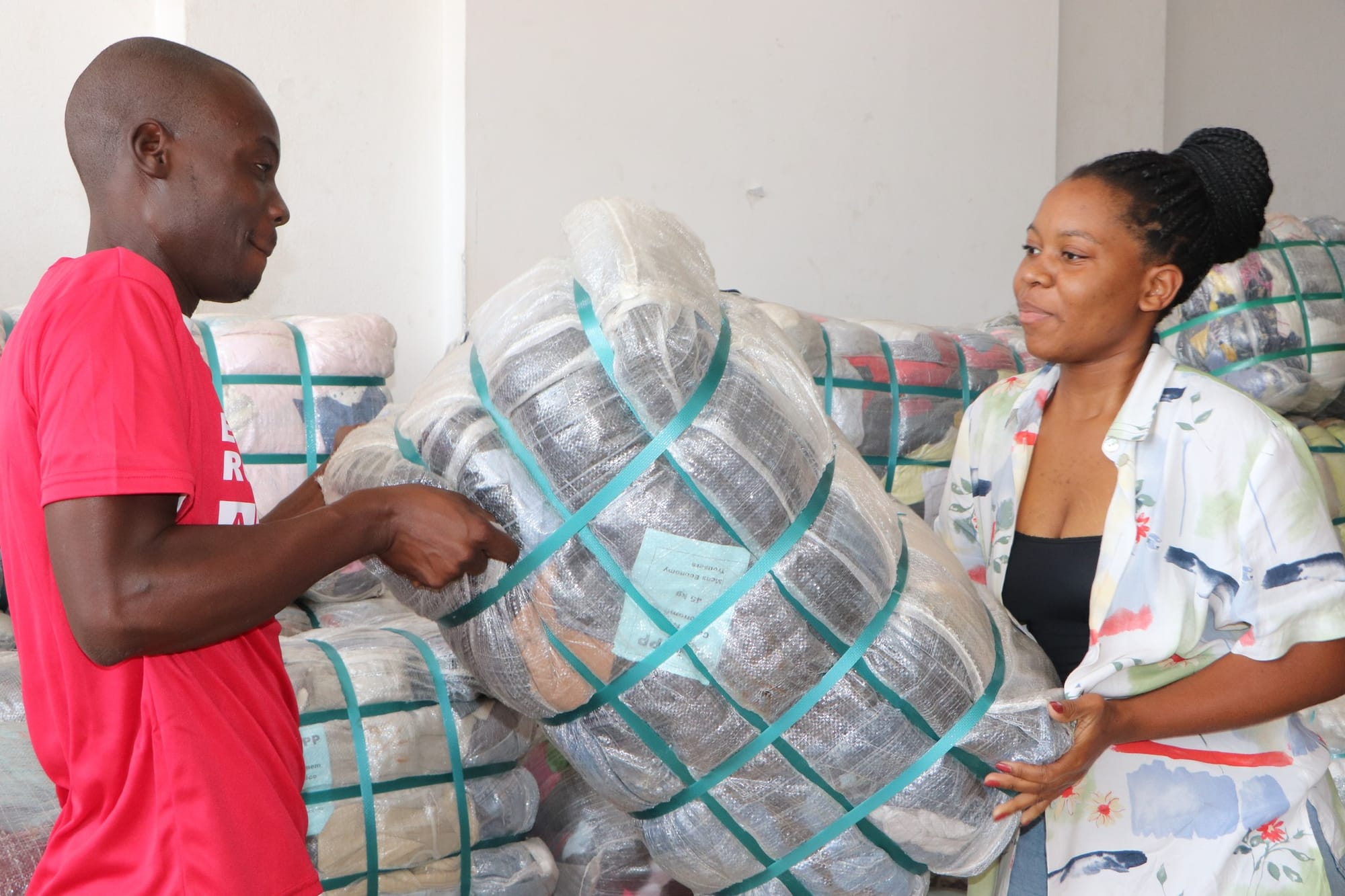
"These social and economic benefits should be central considerations when governments develop textile and waste policies," says Franken. "Second-hand clothing markets do far more than extend the life of garments. They provide affordable clothing options for millions of consumers, support formal and informal employment throughout collection, sorting, repair and resale activities, and create opportunities for entrepreneurship and economic mobility."
That perspective is particularly relevant as policymakers explore new EPR frameworks designed to shift responsibility for textile waste onto producers. While Franken supports measures that improve sustainability and accountability, she believes regulations must be grounded in evidence and recognise the value of existing reuse systems.
"One of the most important lessons from this research is that policymakers should build textile policies around evidence rather than assumptions," she says. "Existing second-hand clothing markets already represent a functioning circular economy system that extends garment lifespans, reduces demand for new production, provides affordable clothing access and supports significant economic activity and livelihoods."
The study's findings also intersect with a wider debate about overconsumption and the environmental impact of fast fashion. Some campaigners have argued that reducing textile exports is necessary to tackle the industry's waste problem. Franken believes that approach risks overlooking the underlying causes of the issue.
"Addressing overconsumption is an important goal, but reducing textile exports should not be viewed as a substitute for addressing the root causes of the problem," she says. "The primary drivers of the textile waste crisis are overproduction and overconsumption, particularly associated with the fast fashion business model."
In her view, reuse should be seen as part of the solution rather than part of the problem. Extending the life of garments reduces demand for new production, helping to lower the environmental impacts associated with raw material extraction, manufacturing and transportation.
"Restricting legitimate second-hand trade risks targeting one of the few existing systems that actively extends product lifespans and extracts additional value from garments that have already been produced," says Franken. "Reducing overconsumption and supporting reuse are complementary strategies, not competing ones."
As governments continue to develop policies aimed at creating a more circular textiles sector, the study raises important questions about how success should be measured. If the overwhelming majority of imported clothing is being reused rather than discarded, policymakers may need to reassess assumptions that have shaped parts of the debate in recent years.
For Franken, the priority should be strengthening the systems that already keep clothing in use while addressing waste at its source.
"Governments, brands and international organisations should start by recognising reuse as a core circular economy strategy, not as a secondary or transitional solution," she says.
She believes future policies should clearly distinguish reusable clothing from waste, improve traceability and transparency across textile value chains, support investment in collection, sorting and recycling infrastructure, and address the overproduction of low-quality garments entering the market.
"The goal should be to reduce waste at the source while strengthening the systems that already keep clothing in use," says Franken. "Done well, circular textile policy can improve environmental outcomes without sacrificing affordability, livelihoods and the broader social value that reuse markets provide."
As regulatory discussions around textile waste, trade and circularity continue to gather pace, the UNCTAD/SMEP study provides a substantial new body of evidence for policymakers to consider. More importantly, it shifts the conversation away from assumptions and towards a clearer understanding of how global second-hand clothing markets function in practice — and the role they may play in delivering a more circular fashion industry.