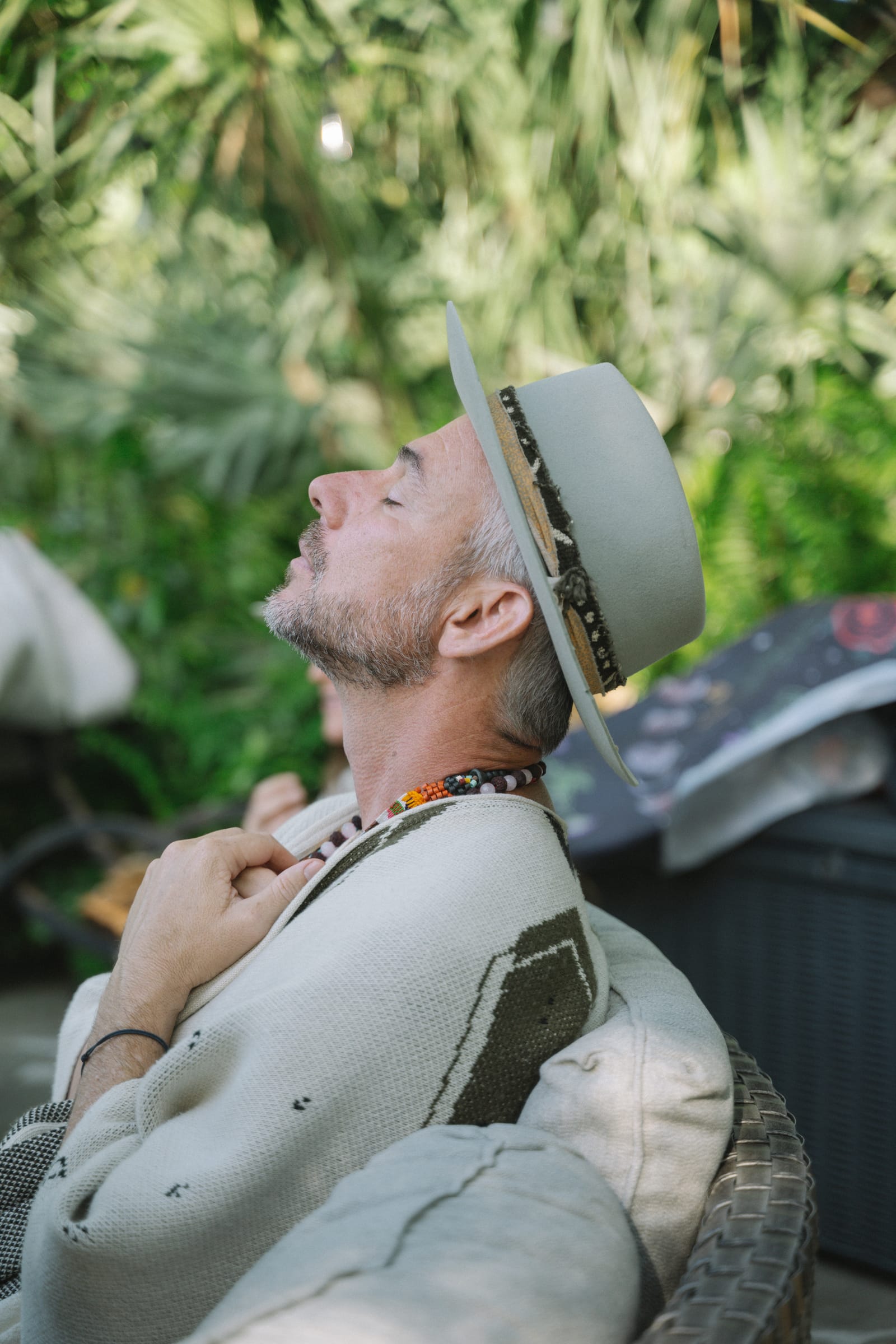
Tony Cho, purpose-driven entrepreneur and founder of Future of Cities, is on a mission to positively impact a billion lives. “A billion lives isn’t a marketing number — it’s the design constraint that keeps us honest,” he says. Central to his approach is regenerative placemaking, a framework that treats cities as living systems where humans, culture, and nature coexist. “Every decision has to work for the many, not the few,” Cho explains. His projects, from the Climate & Innovation HUB in Miami to ChoZen Center for Regenerative Living (CCRL) in Sebastian, Florida, and the Phoenix Arts & Innovation District (PHXJAX) in Jacksonville, act as living laboratories for sustainable urban design.
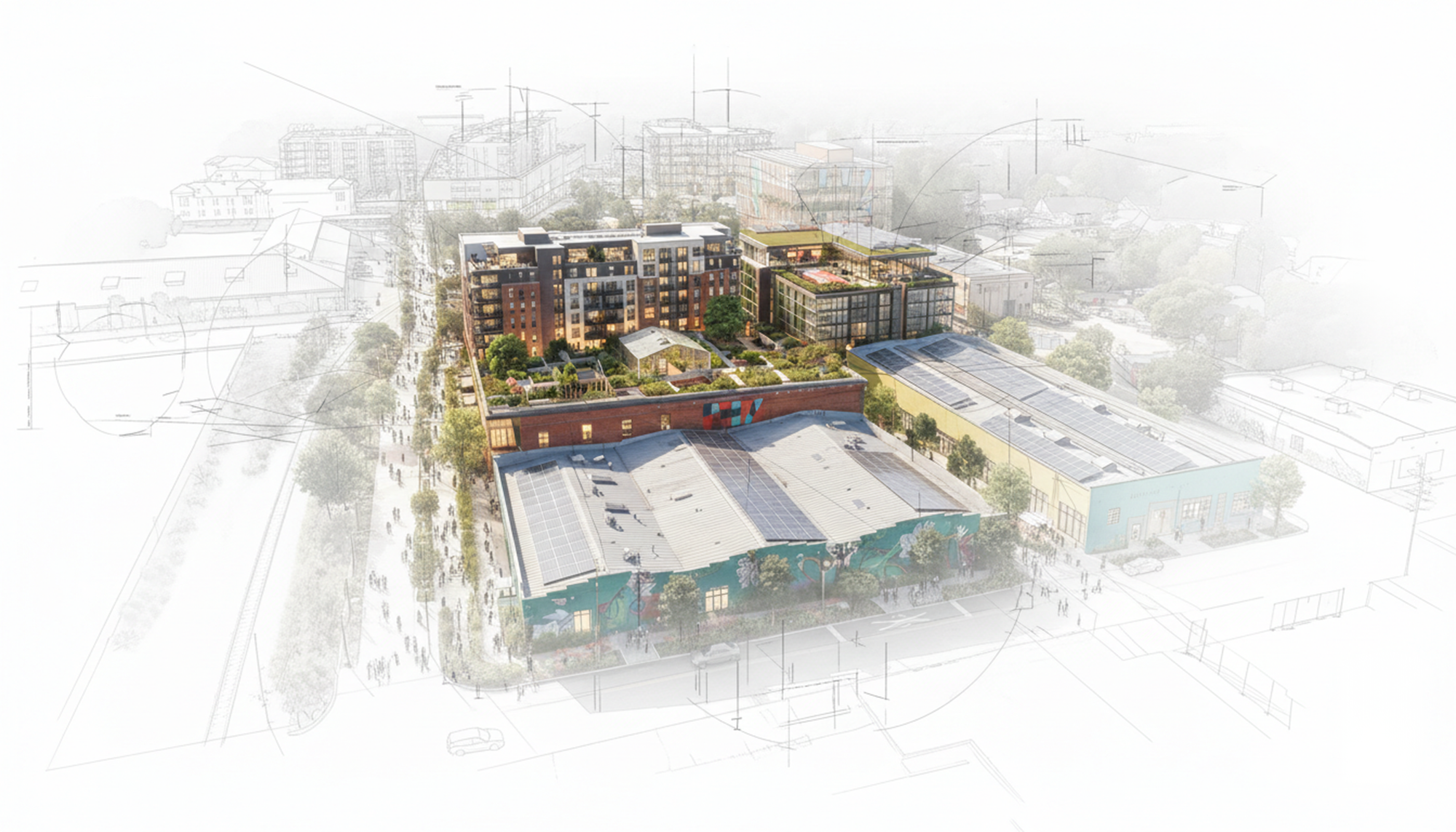
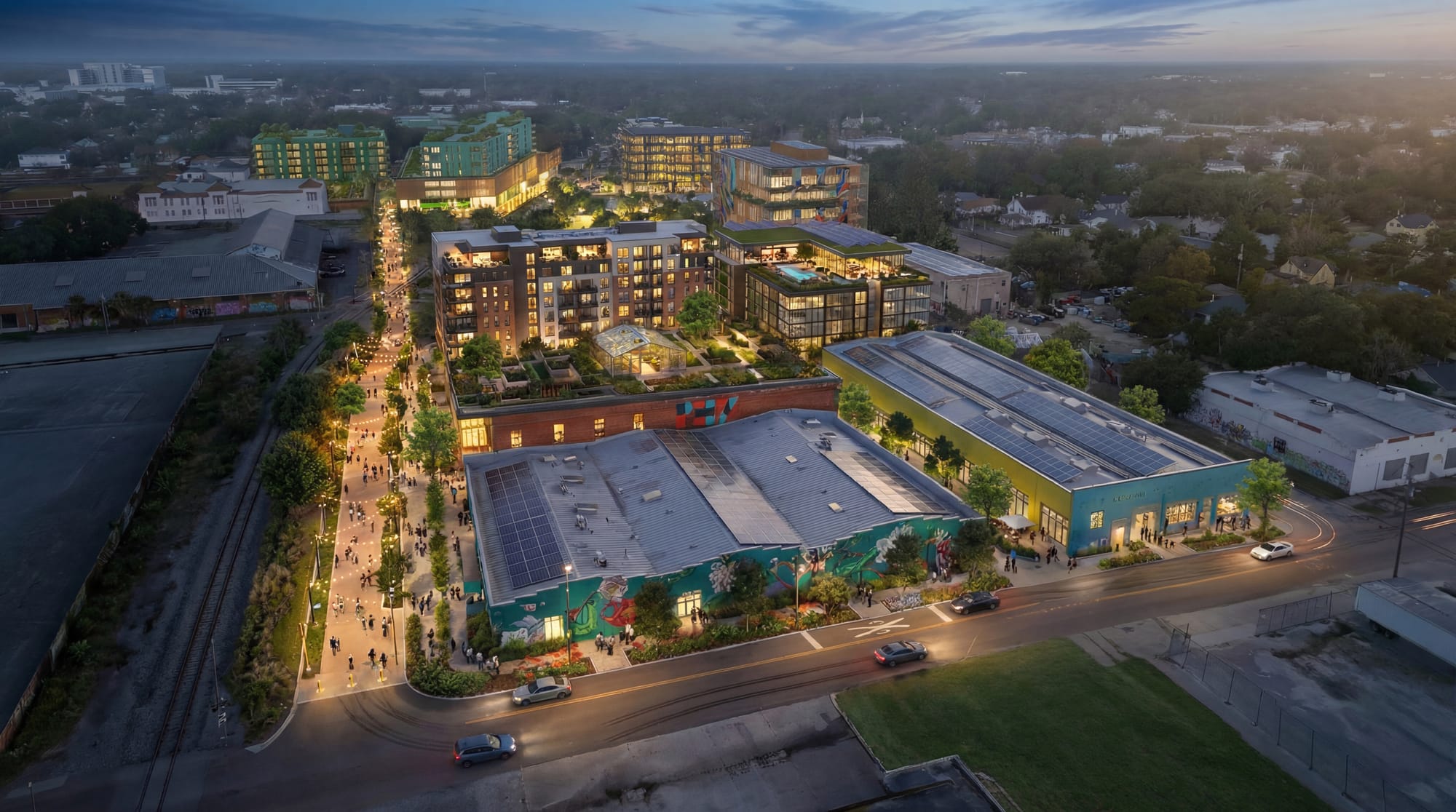
Jacksonville was chosen as a pilot city for PHXJAX due to its untapped creative potential. “Why not Jacksonville?” Cho asks. “The bones are there, the community is there, and the creativity is thriving. We’re proving something important: the future of cities isn’t built for communities — it’s co-authored with them.” The district spans 8.3 acres in North Springfield, combining adaptive reuse, affordable housing, artist studios, and public green spaces into a community-first regeneration model.
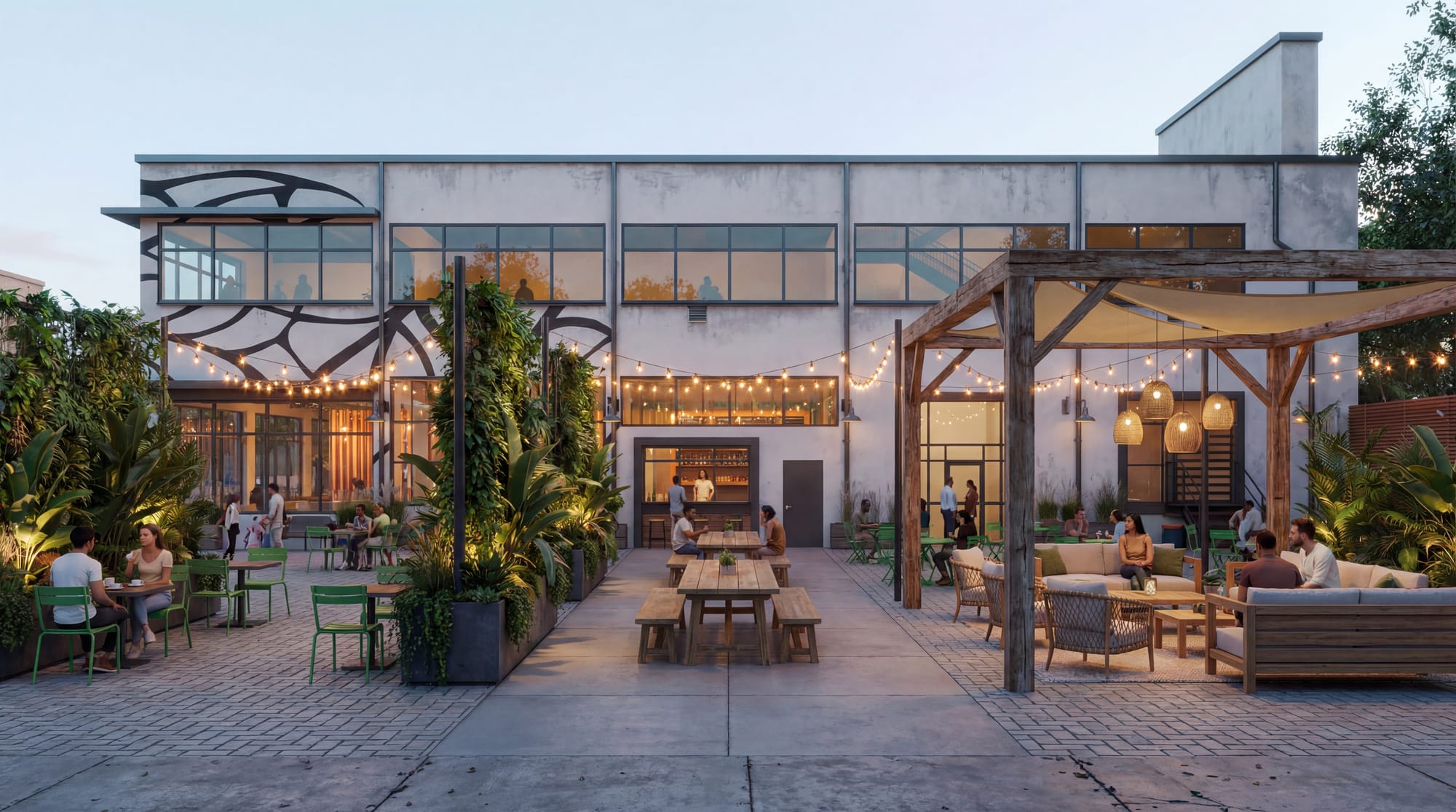
Cho’s regenerative placemaking strategy is anchored by two non-profits: the ChoZen Center for Regenerative Living (CCRL) and Friends of PHXJAX. “We kept asking ourselves, who are we doing all of this for? The answer always came back to the next generation,” he says. CCRL transforms its eco-retreat into a bioregional hub, demonstrating regenerative practices, restoring biodiversity, and fostering community stewardship.
Meanwhile, Bloom Lab, part of Friends of PHXJAX, immerses local 6th–12th graders in arts, agriculture, and entrepreneurship. Participants rotate through gardens, studios, and co-working spaces, culminating in a youth-led pop-up market. “The youth focus isn’t a programme add-on. It is the strategy. If we want regenerative cities in 20 years, we have to plant those seeds today,” Cho notes.
Future of Cities
Cho differentiates between “smart cities” and “wise cities,” arguing that efficiency alone cannot guarantee sustainability. “Smart cities optimise. Wise cities remember,” he says. At Future of Cities, every project is filtered through an intergenerational lens.
PHXJAX, for example, isn’t merely an adaptive reuse project — it’s a co-created neighbourhood where residents, artists, entrepreneurs, and ecosystem thinkers collectively author the story of their place. The Climate + Innovation HUB in Miami and CCRL demonstrate regenerative design in practice, integrating biophilic architecture, land restoration, and community-focused programming.
Reflecting on his work in Miami, including Wynwood Arts District and Magic City Innovation District, Cho emphasises that PHXJAX is intentionally different. “We’re not just building a district — we’re building a shared belief that cities can be redesigned around creativity, regeneration, and community authorship,” he says. By engaging local residents from day one, the project fosters trust, which Cho describes as “our most valuable asset.”
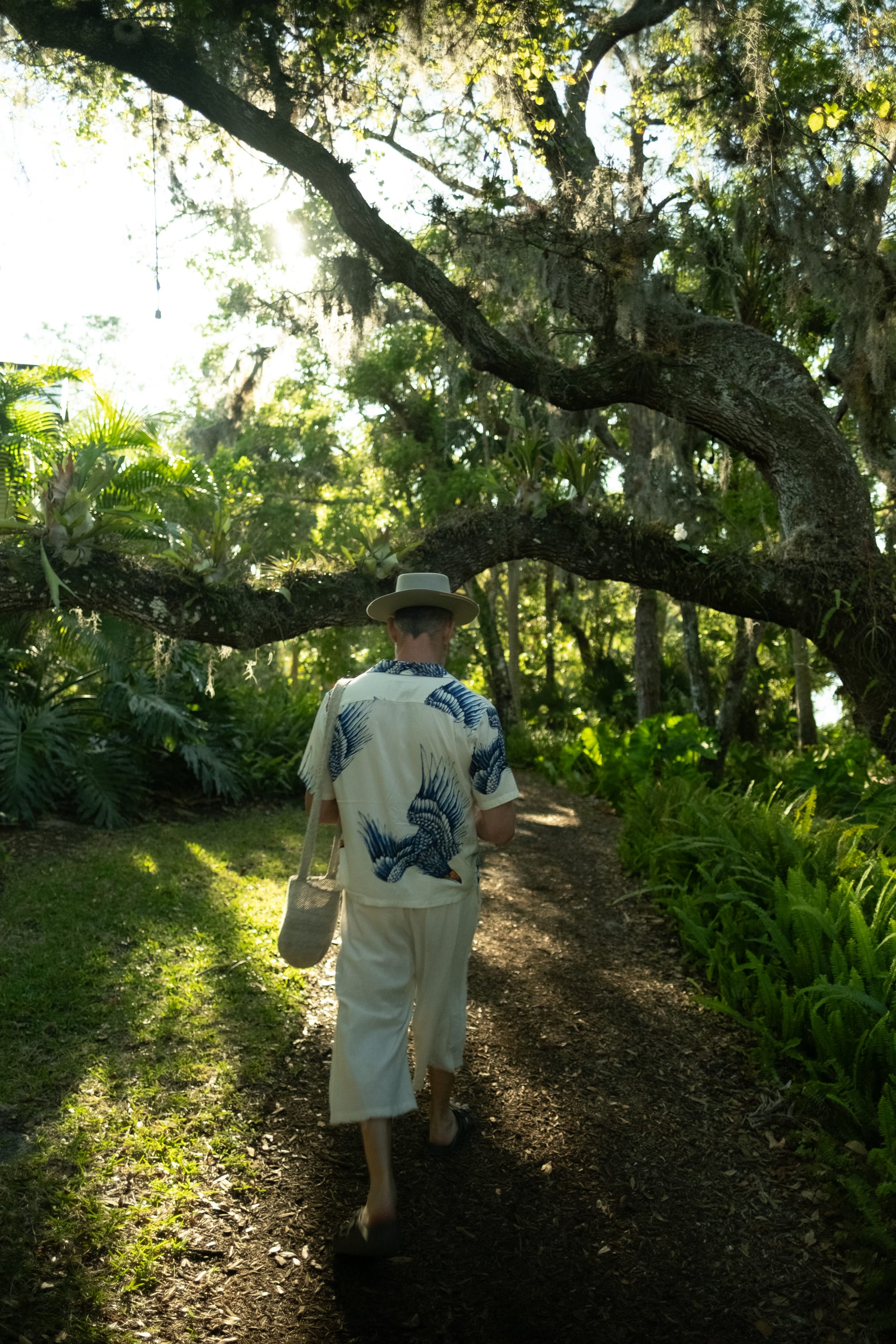
The interdisciplinary approach — combining nature, culture, and entrepreneurship — mirrors natural ecosystems. “Nature doesn’t silo itself — everything feeds everything else,” Cho explains. Bloom Lab students experience these three pillars as one integrated learning system.
From cultivating gardens to creating murals and selling work at youth-led markets, they gain hands-on experience in community regeneration. Similarly, ChoZen hosts artisan markets, volunteer farm days, and collaborative programs, turning participants of all ages into active contributors to a regenerative economy and culture.
Measuring impact, Cho notes, requires both metrics and narrative. “We track food waste diverted, seniors served, students who attend, pitch, grow and exhibit — but the real transformation shows up in ways you don’t anticipate.”
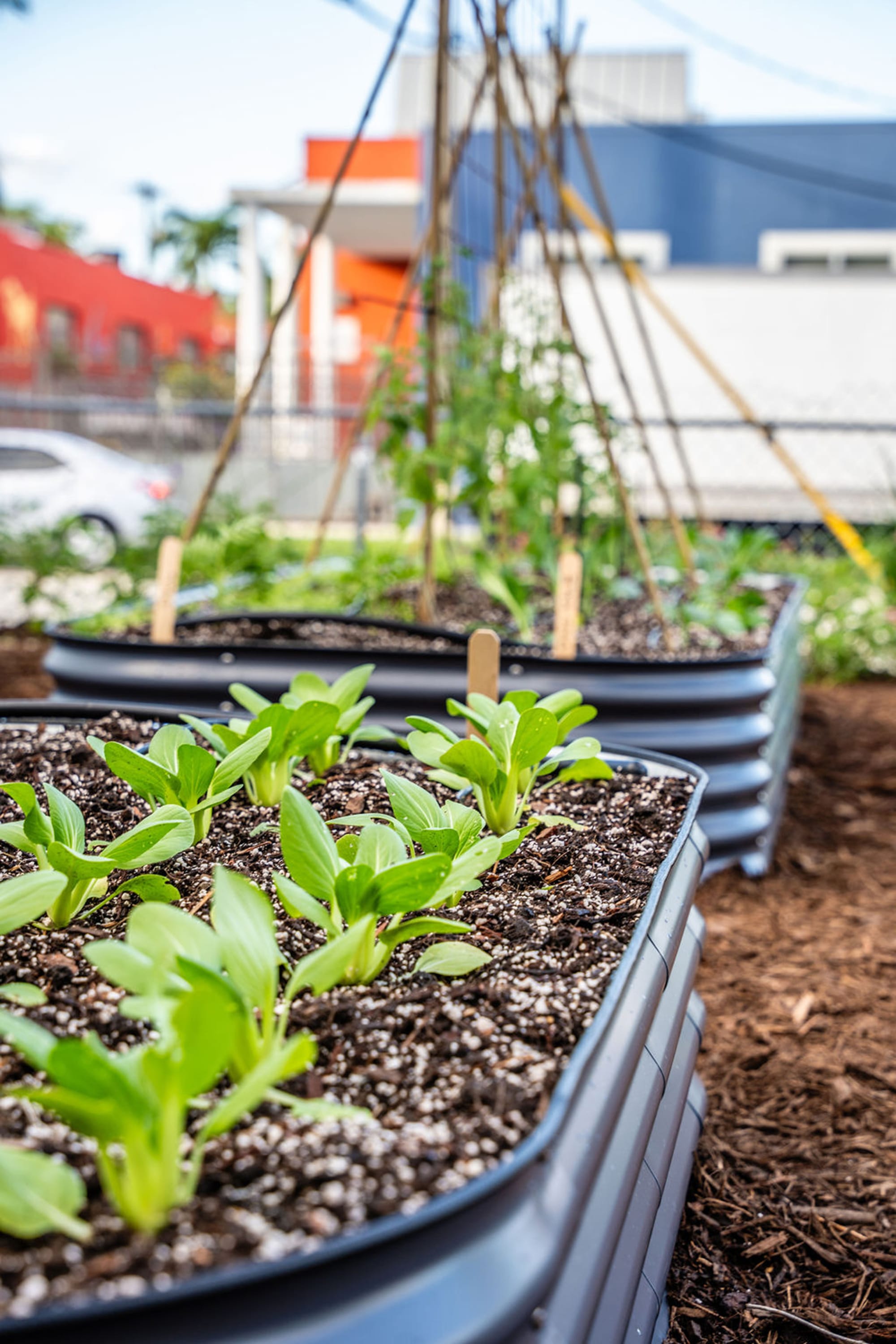
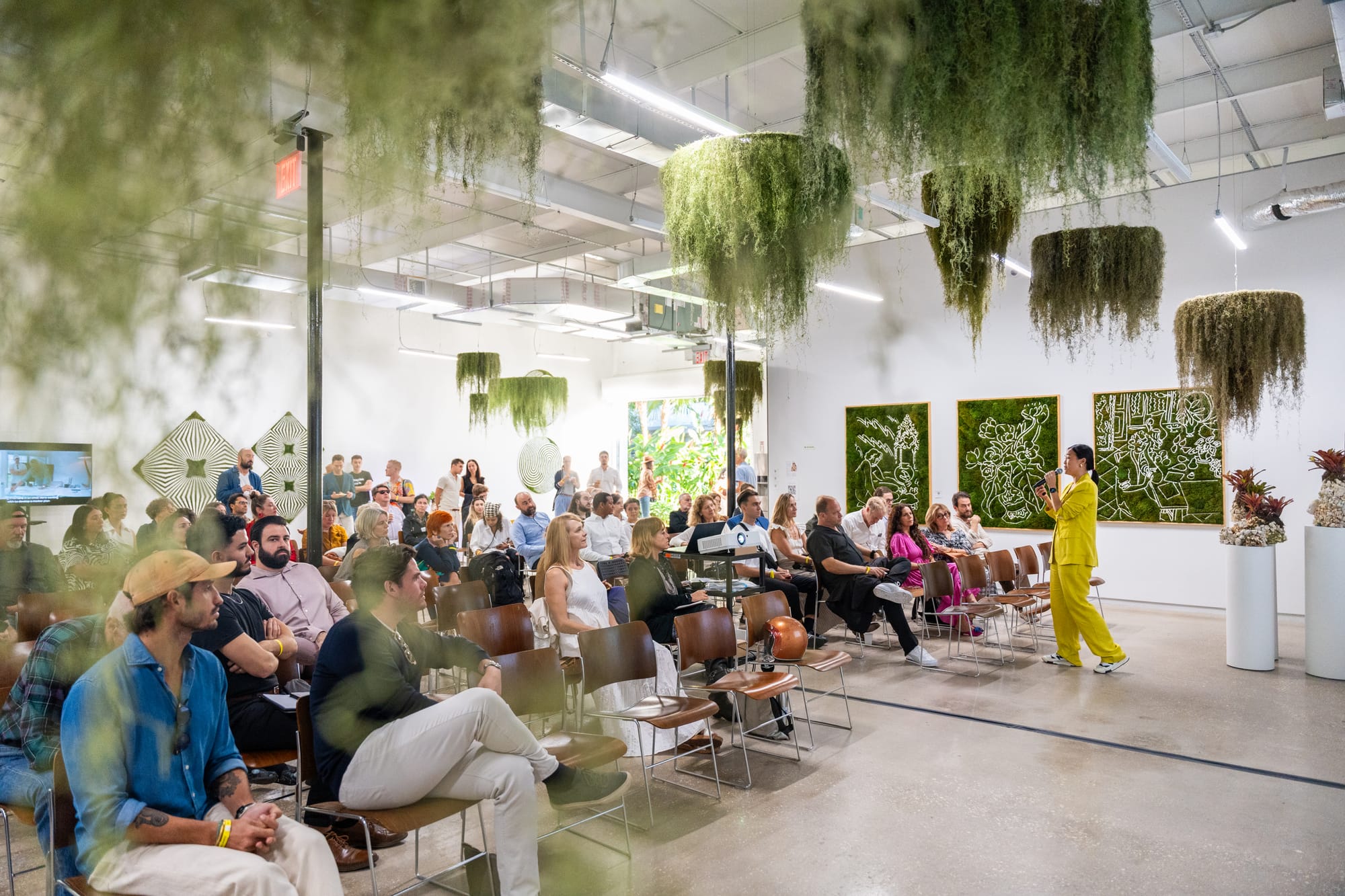
Climate Hub, Miami
From seniors reconnecting with the land to teens developing entrepreneurial skills through art and agriculture, regeneration is visible in relationships deepening and communities thriving. “Real regeneration looks like a system that keeps getting better without force. That circularity — that’s the proof. That’s Generation Regeneration.”
Tony Cho’s work demonstrates a replicable model for regenerative placemaking. Through Bloom Lab, PHXJAX, and ChoZen, he is cultivating the next generation of urban innovators and community leaders while proving that cities can be designed to regenerate people, culture, and ecosystems simultaneously. For Cho, regenerative cities are not an aspiration — they are already taking root, one district and one youth program at a time.
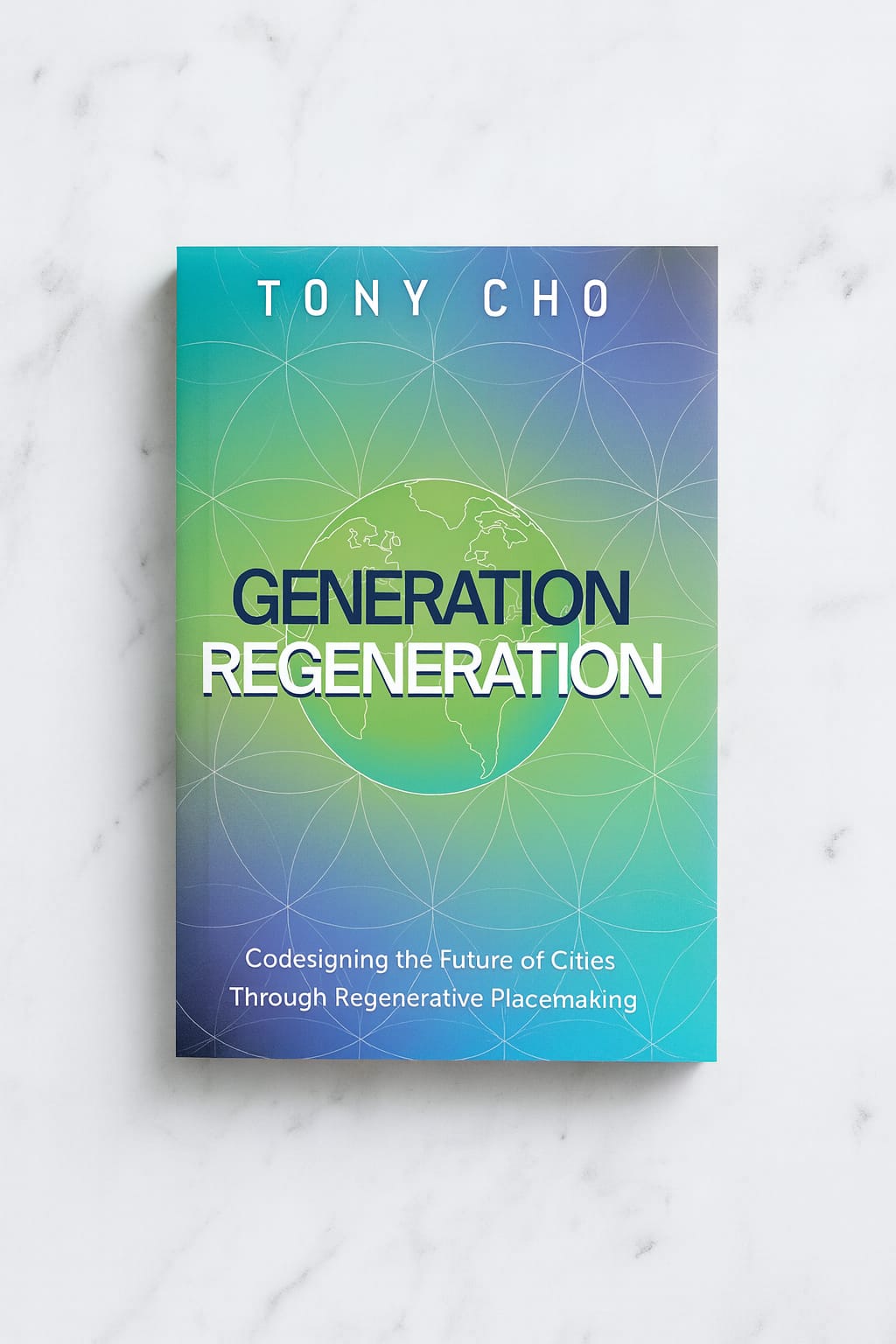
Cho’s upcoming book Generation Regeneration, is now available for pre-order, offering readers an in-depth exploration of his philosophy and practice of regenerative placemaking. The book delves into how cities can be designed as living systems that integrate nature, culture, and community, sharing lessons from his work with Bloom Lab, PHXJAX, and ChoZen Center for Regenerative Living. Packed with case studies, personal insights, and actionable strategies, it serves as a guide for urban innovators, community leaders, and anyone interested in building sustainable, people-centered cities. Pre-ordering ensures early access to Cho’s vision for the next generation of regenerative cities and the tools to co-create them.