
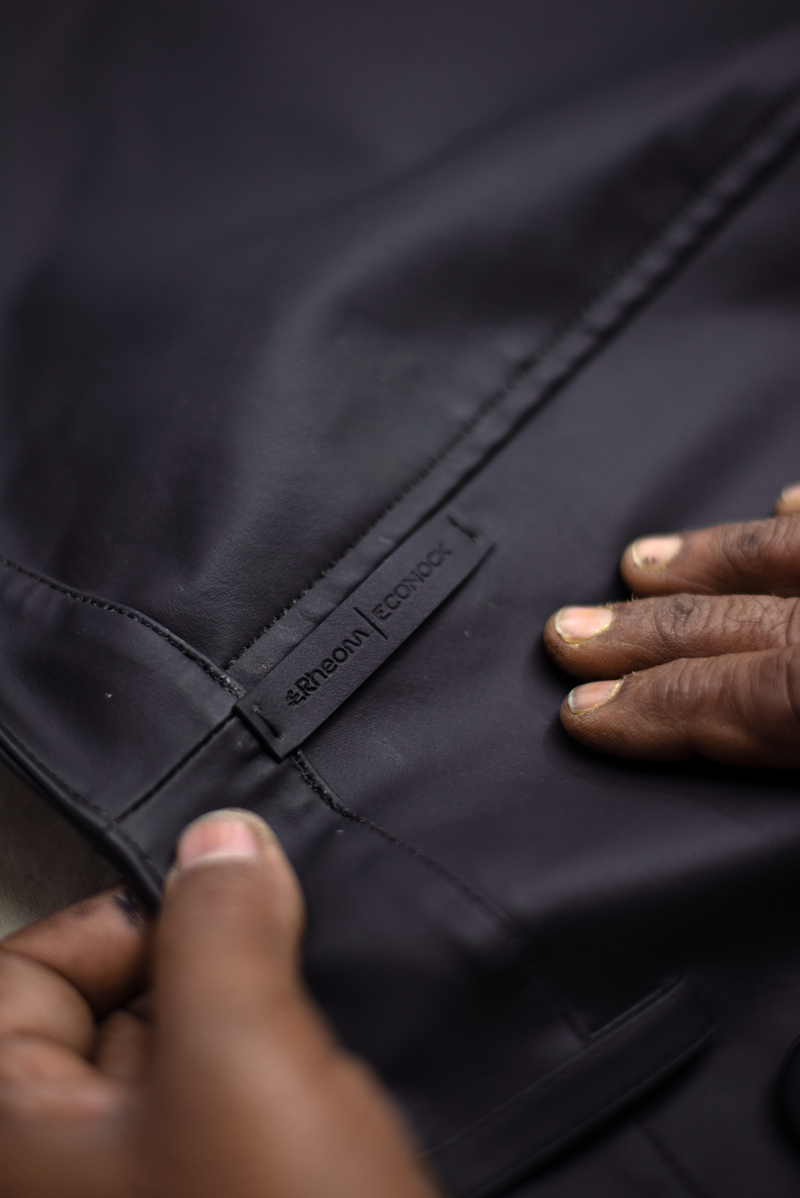
Just weeks after unveiling their collaboration at Lineapelle in Milan, Rheom and Econock are advancing a manufacturing partnership designed to accelerate the commercial adoption of Shorai, Rheom’s 91% biobased leather alternative. The partnership, formally announced earlier this month, represents a strategic move to bridge one of the most persistent gaps in next-generation materials: scalable, skilled manufacturing.
“Econock was the right partner at this moment because they combine exceptional craftsmanship with a rare willingness to work hands-on with new materials at small scale,” said Megan Beck, Director of Product at Rheom. “One of the biggest barriers to next-gen material adoption is manufacturing. Traditional leather factories are hesitant to experiment, while fabric factories often lack the skills to finish leather-like materials. Econock fills this gap by offering specialised, small-batch production, deep material expertise, and the flexibility needed to bring innovation to life.”
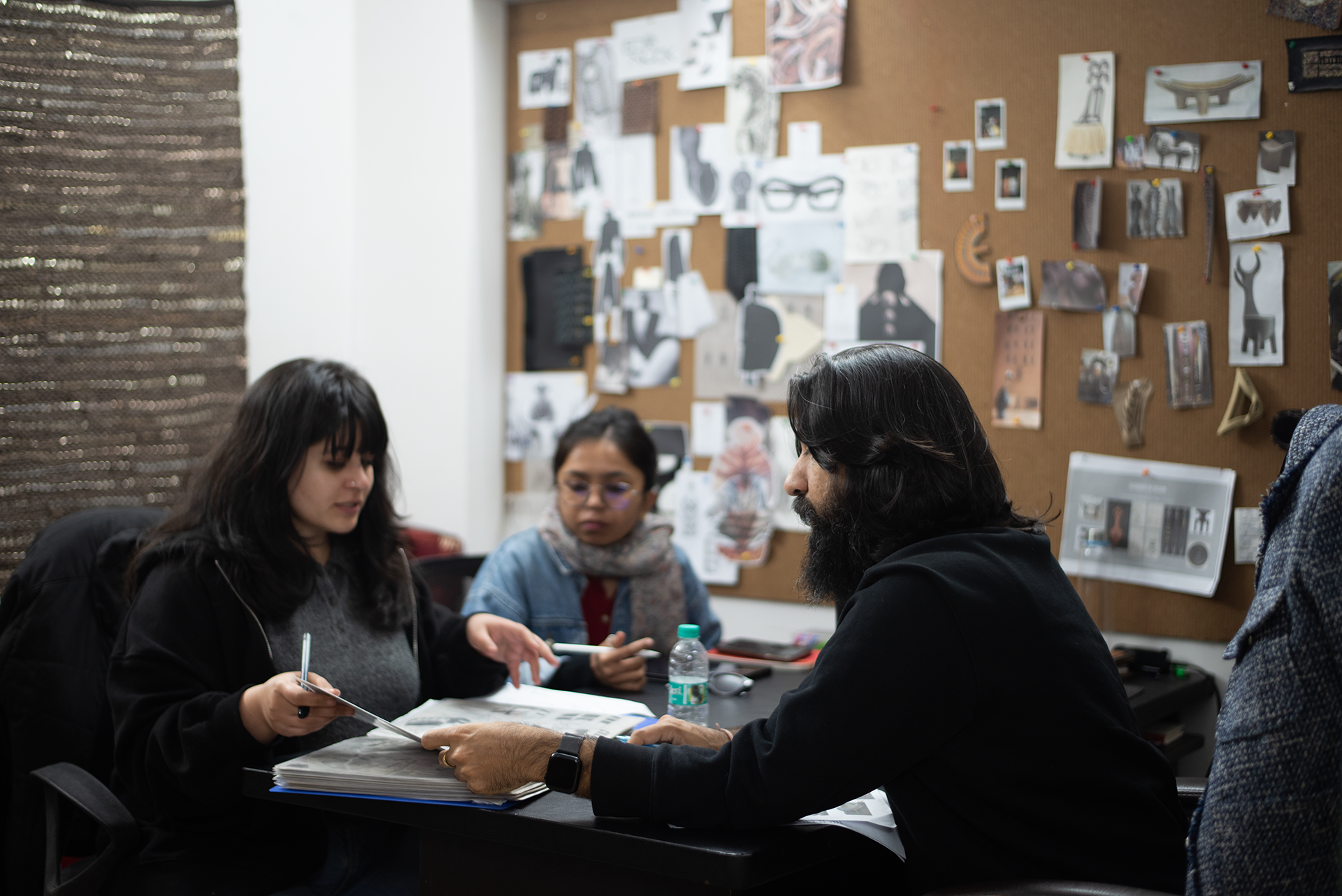
The collaboration marks a shift for Shorai from a next-generation material concept into scalable production. By enabling full production runs rather than limiting the material to sampling or prototypes, the partnership creates a direct pathway to market-ready products. “This collaboration moves Shorai from concept into real-world application by enabling full production runs, not just sampling or prototypes,” Beck said. “Econock’s openness to expanding their material portfolio, while staying rooted in sustainability, allows Shorai to be integrated into finished, market-ready products across accessories and apparel.” She added that broader economic developments are also strengthening the outlook for scaling production, noting that “paired with the momentum of the recent EU–India Free Trade Agreement, the partnership also strengthens global manufacturing pathways, accelerating Shorai’s transition from next-gen innovation to scalable commercial reality.”
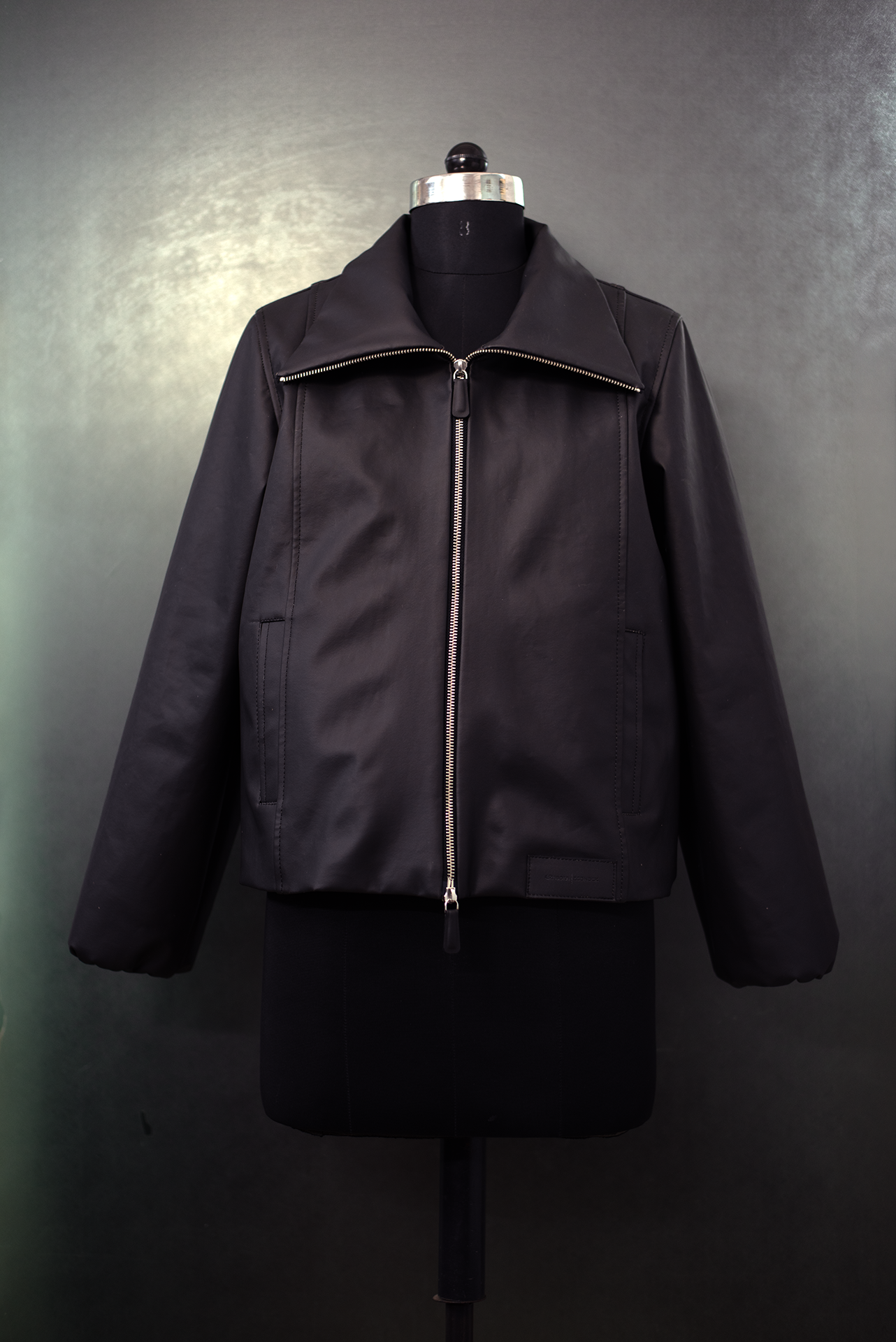
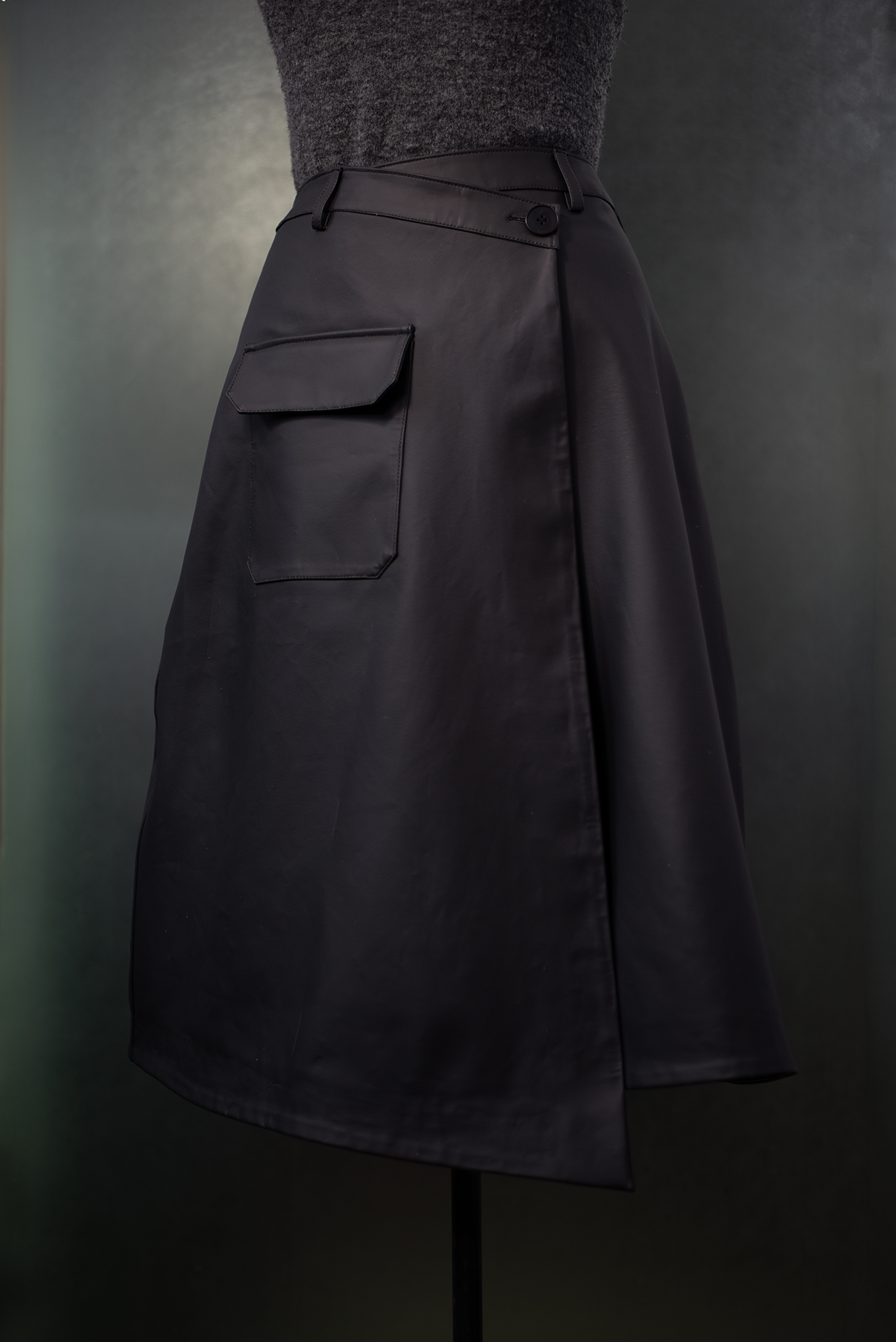
The partnership debuted publicly through a capsule collection presented at Lineapelle, featuring ten modular pieces including a bomber jacket, asymmetrical skirt and accessories. Rather than positioning the material as experimental, Rheom intentionally framed the collection as part of everyday life. “The capsule was intentionally positioned as a lived experience rather than a sustainability experiment to shift the narrative from ‘specialty’ or one-off sustainable products to materials that naturally fit into everyday life,” Beck explained. “The storytelling focused on wearability, thoughtful design, and style, showing that sustainable materials can be seamlessly integrated into daily routines without sacrifice.” The approach reinforces Rheom’s wider philosophy that “change your impact, not your life.”
Presenting Shorai within the context of Lineapelle was equally deliberate, placing the material alongside traditional leather in front of global manufacturers, brands and suppliers. “Lineapelle is where the global leather industry gathers to source, discover, and make decisions, so it was essential for Shorai to be present in that space,” Beck said. “As Shorai is an alternative to leather, it needs to stand alongside traditional materials, not apart from them.” By introducing a 91% biobased alternative within this environment, Rheom aimed to demonstrate how next-generation materials can integrate into existing industry frameworks while offering new performance and environmental benefits.
Beyond material innovation, the partnership directly addresses supply chain challenges that often prevent brands from adopting alternatives. “Introducing any new material into an existing manufacturing setup takes time, disrupts workflows, and adds cost, something most factories, especially those working with tight margins, simply cannot absorb,” Beck said. “By building a network of official manufacturing partners who already understand and work with our materials, Rheom makes integration far easier. Brands can move quickly, test new ideas, and produce small-batch or pilot runs without needing to convince a factory to change its processes.”
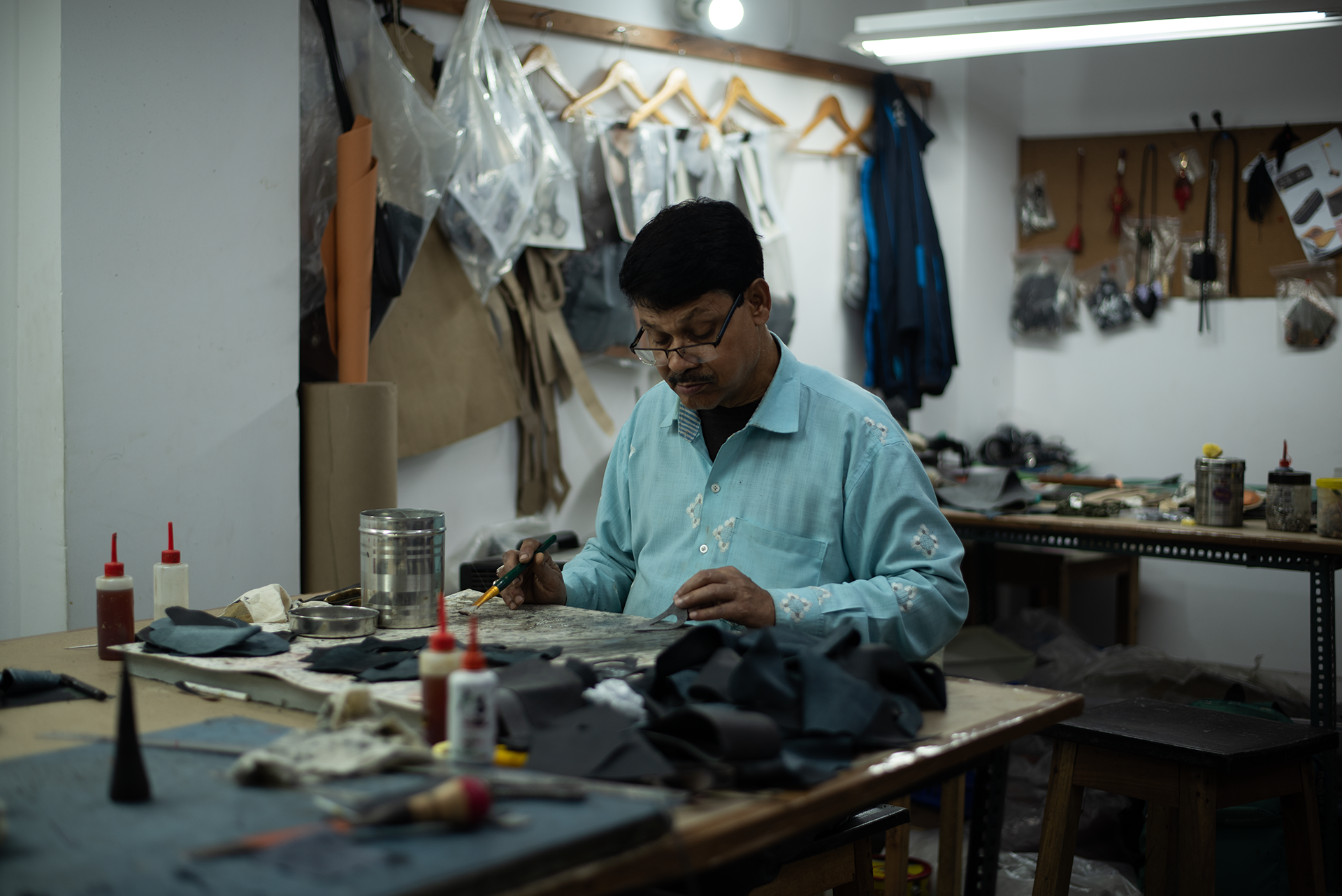
For Rheom, building this network is central to its long-term role in the materials ecosystem. “Partnerships like this directly remove one of the biggest barriers to adoption: supply chain friction,” Beck said. “Our role is to meet brands where they are, creating flexible, trusted supply chains that reduce risk, accelerate adoption, and make next-generation materials practical, not just aspirational.”
Econock, a conscious design and manufacturing studio founded in India, brings specialised expertise in small-batch production and circular design, combining artisanship with technical innovation. Together, the partnership reflects a broader shift within fashion, where the future of materials depends not only on scientific breakthroughs, but on building the manufacturing infrastructure needed to bring those innovations into everyday use.