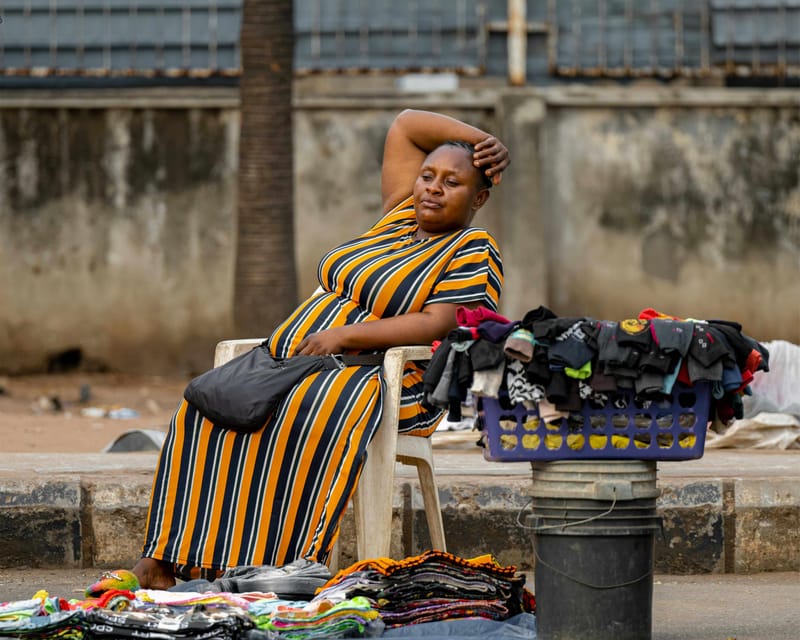
A long-standing question at the heart of the global second-hand clothing trade—whether waste is being offloaded into the Global South—has been firmly rebutted by the Secondary Materials and Recycled Textiles Association (SMART), which represents international leaders in textile reuse and recycling. In a detailed Q&A addressing widespread misconceptions, the organisation states unequivocally: “No. Second-hand clothing moves because there is strong demand for it.”
According to SMART, the trade functions like any other viable market: goods are exported only if there is a clear resale opportunity. “Importers buy only what they can sell, and unusable items are screened out long before export,” the association explains, pointing to field research across multiple regions. Studies conducted in countries including Uganda, Tanzania, Kenya, Ghana and Guatemala consistently show that between 80% and 95% of imported second-hand clothing is wearable, repairable or repurposable. The proportion that constitutes true waste is typically between 1% and 10%, and often as low as 1–3%.
This stands in stark contrast to widely circulated claims that up to 40% of second-hand clothing exports end up as waste—figures that SMART argues are based on “methodologically weak” studies relying on small, qualitative samples not suitable for broad policy conclusions. “The evidence clearly shows that SHC exports are not a disguised waste stream, but a high-value reuse system with minimal residual waste,” the organisation states.
Where waste management challenges do arise, SMART attributes these not to the trade itself but to broader systemic issues. “Field research across several countries shows that most goods arriving in markets are wearable, with waste appearing in small, manageable fractions,” it notes. “Where disposal challenges exist, they reflect gaps in municipal waste systems, not deliberate dumping.”
The association’s findings form part of a wider effort to reframe the narrative around second-hand clothing, which it describes as one of the most effective examples of a functioning circular economy. By extending the life of garments, the trade reduces the need for new production, lowers environmental impact, and supports local economies in importing countries.
SMART also warns that policy proposals aimed at restricting second-hand clothing flows—often driven by misconceptions about waste dumping—could have unintended consequences. Limiting trade, it argues, risks disrupting reuse systems, increasing landfill volumes, and undermining livelihoods tied to the sector.
Ultimately, the organisation positions the second-hand clothing trade not as a contributor to the global textile waste crisis, but as part of its solution—provided it is supported by evidence-based policy and stronger waste management infrastructure where needed.